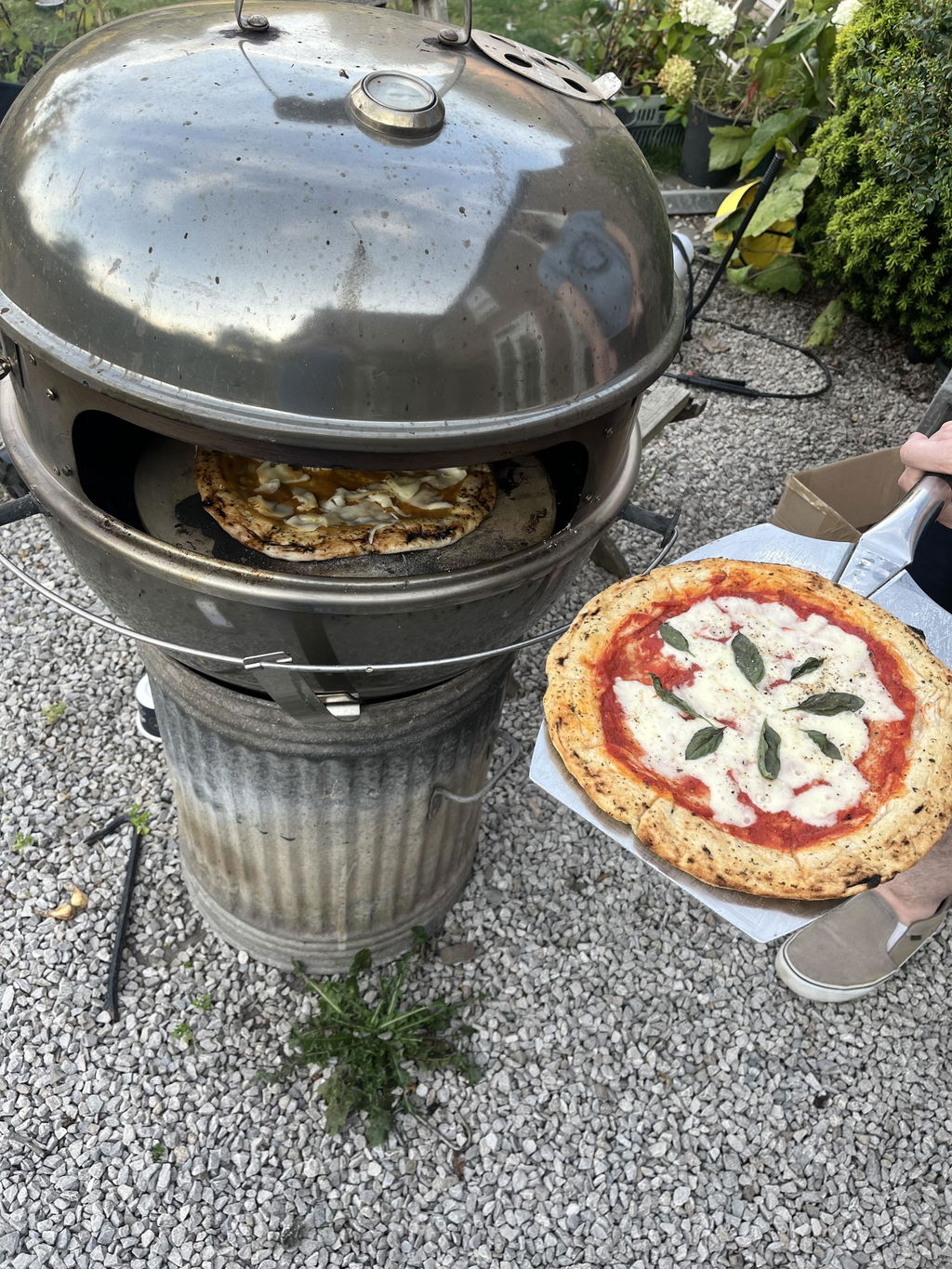
The Only Neapolitan Pizza Sauce Recipe You Need
Discover the ultimate Neapolitan pizza sauce recipe made with fresh tomatoes, basil, and olive oil—no cooking required! Perfect for your pizzas.
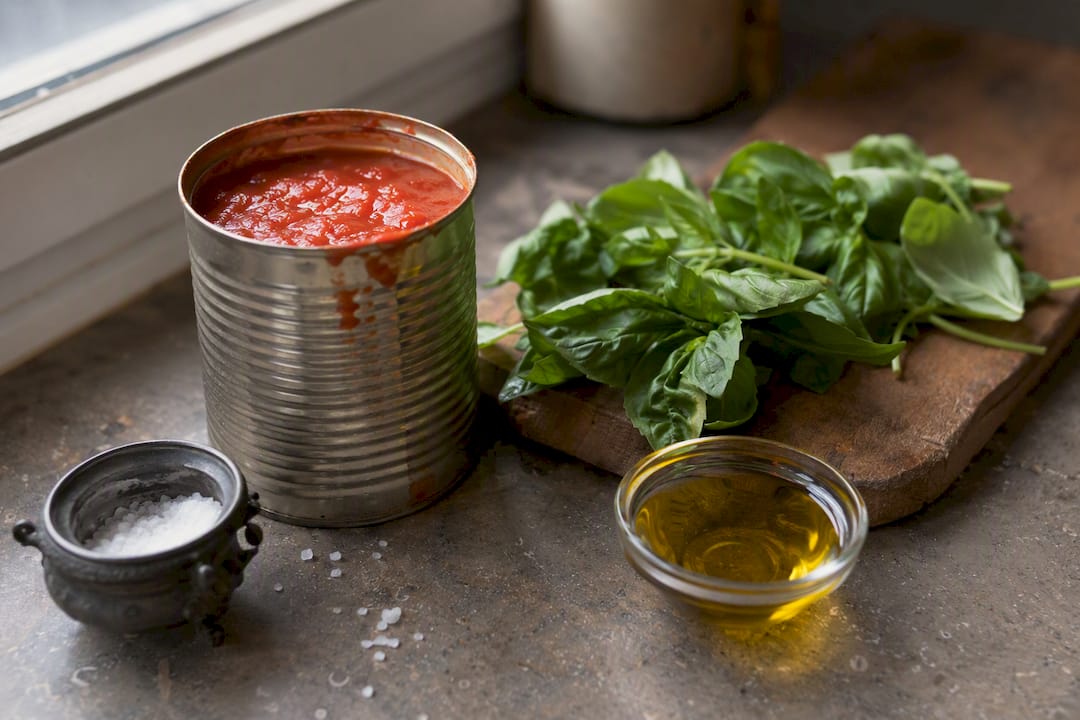
Use one 28-ounce can of whole peeled San Marzano tomatoes, ¾ to 1 teaspoon of fine sea salt, four to six torn basil leaves, and a drizzle of extra-virgin olive oil. Crush the tomatoes by hand, let the mixture rest 15 to 30 minutes, and spread just 3 to 4 tablespoons on each 12-inch pizza. That’s the whole recipe. No stove, no simmering, no reduction. Real Neapolitan pizza sauce is raw tomato, salt, oil, and basil, worked just enough to break down the fruit without cooking off what makes it taste alive.
One can gets you through three to four pizzas, depending on how heavy handed you are with the spoon. Here’s the breakdown:
- 1 can (28 oz) whole peeled San Marzano tomatoes
- ¾–1 tsp fine sea salt
- 4–6 fresh basil leaves, torn by hand
- 1 tbsp extra-virgin olive oil
- Yield: roughly 2 to 3 cups, enough for 3 to 4 pizzas
- Per pizza: 3 to 4 tablespoons, spread thin
Crush the tomatoes with your hands directly in a bowl, or pulse briefly once or twice in a food processor if preferred. Stop before the sauce becomes smooth to preserve a rustic texture.
Table of Contents
- What Ingredients Make Authentic Neapolitan Pizza Sauce
- How Do You Make No-Cook Neapolitan Sauce?
- How Much Sauce Should You Put on a Pizza?
- How Long Does No-Cook Pizza Sauce Last?
- Can You Make Neapolitan Sauce Without Basil?
- Pairing Your Sauce With the Right Dough
- Get the Dough That Matches This Sauce
- Sources
What Ingredients Make Authentic Neapolitan Pizza Sauce
The tomato does almost all the work here, so buying the right can matters more than any technique you’ll use later. San Marzano tomatoes grown in the volcanic soil near Naples have thinner skins, fewer seeds, and a natural sweetness that balances acidity without needing sugar or long cooking. That Pizza Kitchen points to exactly this: meatier flesh and lower acidity are why San Marzano became the default choice for Neapolitan sauce in the first place.
Look for the DOP seal, which stands for Denominazione di Origine Protetta. It’s a legal guarantee the tomatoes were grown and canned in the designated region of Campania, not just labeled “San Marzano style” by a grower somewhere else entirely. Spoonful Of Stories flags this labeling detail as the quickest way to separate genuine San Marzano from imitators sitting on the same shelf. Dough Dorks stocks a DOP-style San Marzano tomato if you want a reliable starting point without guessing at supermarket labels.
If DOP San Marzano isn’t available or your budget doesn’t stretch that far, buy the best whole peeled plum tomatoes you can find. Skip anything pre-seasoned, diced, or crushed. Those cans almost always carry added citric acid, calcium chloride, or herbs you didn’t ask for, and they strip away your control over texture and salt level.
- Buy whole peeled tomatoes only, never diced or crushed.
- Check the label for DOP certification or “Product of Italy.”
- Use fine sea salt or kosher salt, not table salt, which can taste sharper and more metallic.
- Choose a fruity, robust extra-virgin olive oil since it’s uncooked and its flavor stays front and center.
- Tear basil by hand right before using it. Cutting with a knife bruises the leaf and dulls its aroma.
Pro Tip: A small clove of garlic, grated fine or pressed, can go in if you want more depth, but add it sparingly. Raw garlic is aggressive, and too much will fight the tomato instead of supporting it.
One can makes 2 to 3 cups of sauce. Doubling ingredients for a big pizza night is straightforward: two cans, roughly 1½ to 2 teaspoons salt, eight to twelve basil leaves, and two tablespoons of oil gets you sauce for six to eight pizzas.
How Do You Make No-Cook Neapolitan Sauce?
Open the can and tip off some of the packing liquid. You’re not draining it bone dry, just cutting the wateriness that leads to a soupy sauce later.
- Drain lightly. Pour off about a third of the liquid from the can.
- Crush by hand. Squeeze each tomato between your fingers over a bowl, breaking it into rough pieces. If you prefer a processor, pulse once or twice, no more.
- Remove cores or tough bits. Most canned San Marzano comes cored already, but check and pull out anything fibrous.
- Season. Stir in the sea salt until it dissolves into the tomato.
- Tear in the basil. Add it last so the leaves don’t bruise or blacken while you’re working.
- Finish with oil. Drizzle in the extra-virgin olive oil and give it one final stir.
The texture you’re chasing sits somewhere between chunky and smooth. Not pureed, not frothy, not swimming in liquid. Saveur’s method for this exact style involves hand crushing and seeding for a sauce that keeps its bright, fresh character rather than turning into something closer to canned soup.
If you’re using a blender or food processor instead of your hands, restraint matters more than technique. Two short pulses is the ceiling. Keep going past that and you’ll whip air into the mixture, which lightens the color and loosens the texture, and a looser sauce means more liquid soaking into your dough during baking. Hand crushing avoids this problem entirely because there’s no blade spinning fast enough to emulsify anything.
Let the finished sauce rest before using to allow flavors to meld. A short rest at room temperature is beneficial, and longer refrigeration can enhance flavor integration.
- Don’t skip resting entirely; unrested sauce tastes flat and separated
When it’s time to build your pizza, use less sauce than instinct tells you to. Three to four tablespoons on a 12-inch base is the number worth memorizing, because more than that turns your center soggy no matter how good the tomatoes are.
How Much Sauce Should You Put on a Pizza?
Three to four tablespoons per 12-inch pizza is the working number, and it holds whether you’re using a home oven or a dedicated pizza oven. That Pizza Kitchen’s testing points to excess sauce, more than actual dough hydration, as the single biggest cause of a wet, collapsed center.
Spreading technique matters almost as much as quantity. Drop your sauce in the middle, then use the back of a spoon to work it outward in a loose spiral, leaving a half inch to full inch border bare for the crust to puff up around.
- Start at the center, spiral outward
- Stop about ½ to 1 inch from the edge
- Spread thin enough that you can still see hints of dough through the sauce
Ovens matter too. A wood-fired or high-heat pizza oven running at 800°F or higher cooks a pizza in 60 to 90 seconds, which means there’s barely time for excess moisture to evaporate. Go lighter on sauce in that setup than you would in a standard home oven baking at 475°F to 500°F for eight to ten minutes, where there’s more time for the surface to dry out.
Pro Tip: If your sauce still looks watery after crushing, tip it into a fine mesh strainer for two or three minutes before using it. That small step alone fixes most sogginess complaints.
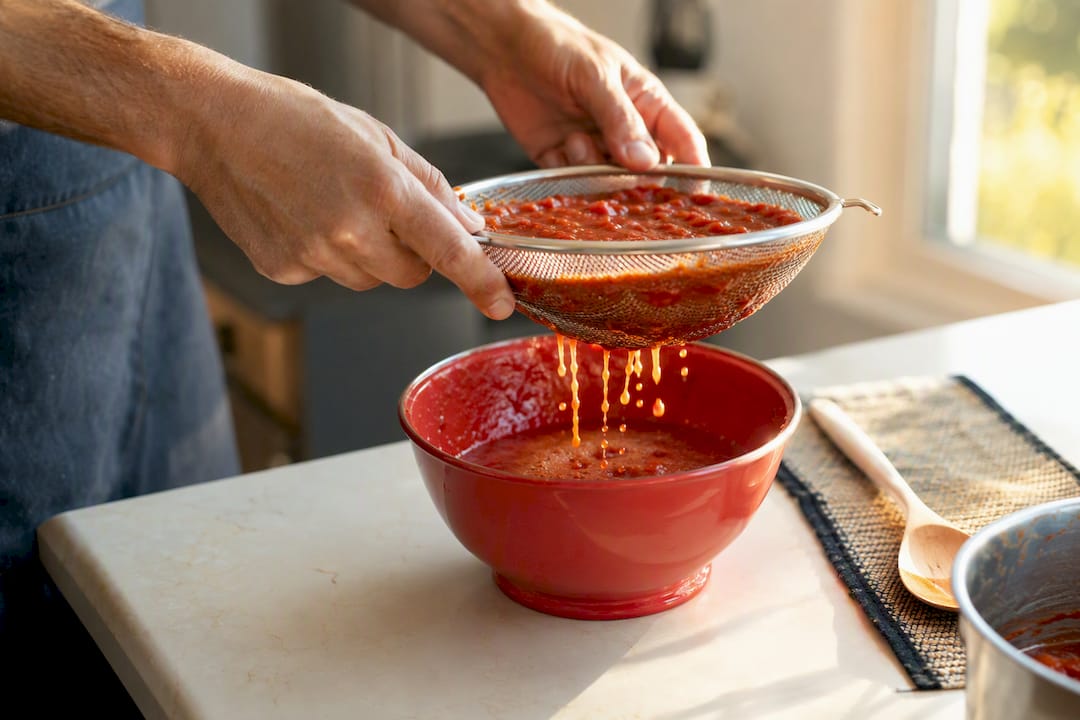
Watery sauce, an overloaded center, and a thick dough edge that traps steam are the three most common reasons a homemade Neapolitan pizza turns out soggy. Fix the sauce and the spread, and you’ve solved most of the problem before it ever reaches the oven.
How Long Does No-Cook Pizza Sauce Last?
This sauce is built for short turnaround, not long-term storage, but it holds up fine for a few days in the fridge or a few months in the freezer if you plan ahead.
- Room temperature rest: 15 to 30 minutes before first use
- Refrigerator melding: up to 24 hours for maximum flavor development
- Fridge shelf life: about 4 to 5 days in a sealed container
- Freezer: portion into small containers or ice cube trays, freeze up to 3 months
The Kitchn recommends freezing sauce in single-pizza portions specifically because it thaws faster and you’re not defrosting more than you need for one pie. Thaw overnight in the fridge, stir well once it’s liquid again since separation is normal, and taste before using. A pinch more salt often revives sauce that’s been frozen, since cold storage can mute seasoning slightly.
Canned tomatoes are the right call for most of the year because good fresh plum tomatoes are only really at their best for a few weeks in late summer. Outside that window, canned San Marzano beats underripe fresh tomatoes every time.
Can You Make Neapolitan Sauce Without Basil?
Not every authentic version includes basil at the sauce stage. Marinara style, one of the two officially recognized Neapolitan pizzas, skips basil in the sauce entirely and adds garlic and dried oregano instead. It’s a legitimate variation, not a shortcut, and it’s worth trying if you want something garlicky and herbaceous rather than sweet and green.
- Marinara style: no basil, add minced garlic and dried oregano
- Fresh tomato version: peel, seed, and lightly salt ripe plum tomatoes at peak season, then drain before using
- Small authentic additions: a few anchovy fillets mashed in, or a hint of grated garlic
- What to avoid: sugar, or reducing the sauce on the stove to thicken it
Sugar and stovetop reduction are the two moves that push a sauce furthest from Neapolitan tradition. The tomato’s natural sweetness is supposed to carry the dish, and cooking it down concentrates flavor in a way that fights the whole point of using a raw, bright sauce to begin with.
Pairing Your Sauce With the Right Dough
Great sauce on mediocre dough is still a mediocre pizza. The AVPN disciplinare that governs authentic Neapolitan pizza is specific about tomatoes, but it’s equally strict about dough fermentation, and that pairing is where a lot of home pizza night falls apart. A quick-rise dough just can’t develop the same open crumb or char pattern that a properly fermented one does, no matter how good your sauce turns out.
Dough Dorks makes 48-hour fermented Neapolitan dough using Italian 00 flour, built specifically to handle a light coat of raw sauce without going soggy in the center. If you’re short on time, the pre-cooked Neapolitan bases skip the fermentation wait entirely while still giving you that blistered, authentic crust.
- Pair sauce with 48-hour fermented dough for proper oven spring and char
- Use pre-cooked bases when you want authentic results in under 20 minutes
- Browse curated toppings to finish the pizza once the sauce is spread
| Point | Details |
|---|---|
| Sauce quantity per pizza | Use 3 to 4 tablespoons for a 12-inch pizza to avoid a soggy center. |
| Ingredient choice | DOP San Marzano tomatoes give the sweetest, lowest-acid base for authentic flavor. |
| Texture control | Hand-crush or pulse twice at most; over-blending lightens color and loosens texture. |
| Dough pairing | Pair the sauce with 48-hour fermented dough from Dough Dorks for the crust to hold up under it. |
Why restraint is the whole point
The instinct with any sauce recipe is to add more: more cooking, more seasoning, more ingredients to justify the effort. Neapolitan sauce works precisely because it resists that instinct. Four ingredients, zero heat, and a resting period is the entire technique, and every attempt to improve on it by cooking it down or loading it with extras usually makes the pizza worse, not better.
What surprises most home cooks is how much of the “skill” in this dish is actually restraint. Under-crushing rather than over-blending. Under-saucing rather than piling it on. Under-seasoning slightly, since the cheese and crust will add their own salt. If you’ve been making pizza sauce for years and it’s never quite tasted like the pizzeria version, the fix is almost never a new ingredient. It’s usually doing less to the ingredients you already have. Try it once exactly as written here, with real San Marzano and a light hand, before you start customizing. Pair it with a properly fermented dough from a resource like Dough Dorks and you’ll notice the difference immediately.
— Michael
Real Neapolitan pizza sauce is raw San Marzano tomato, salt, basil, and oil, crushed by hand and used sparingly to protect the crust.
| Point | Details |
|---|---|
| Core recipe | One 28-ounce can, ¾ to 1 teaspoon salt, four to six basil leaves, one tablespoon EVOO, no cooking required. |
| Buy whole peeled, not crushed | Pre-seasoned or diced cans limit your control over salt and texture. |
| Sauce lightly | Use 3 to 4 tablespoons per 12-inch pizza to prevent a soggy center. |
| Rest before using | 15 to 30 minutes at room temperature, or up to 24 hours refrigerated, deepens flavor. |
| Complete the pizza | Pair this sauce with Dough Dorks’ 48-hour fermented dough for an authentic result at home. |
Get the Dough That Matches This Sauce
You’ve got the sauce sorted. The bigger gap for most home cooks isn’t the tomato, it’s the dough sitting in the fridge that never got a proper 48-hour rise. Doughdorks solves that specific problem: instead of managing a multi-day fermentation schedule around a weeknight dinner, you get 48-hour fermented dough balls made with Italian 00 flour, delivered ready to stretch and top.

If you want the whole workflow simplified further, the pre-cooked Neapolitan bases skip proofing and shaping entirely, so your no-cook sauce goes straight onto a base that’s already got the char and structure right. Pair either one with a few picks from the curated toppings collection and you’ve got a full Neapolitan pizza night without hunting down six different ingredients across three shops. Order dough or bases for delivery and have the rest of your pizza sorted before your sauce even finishes resting.
Sources
- Saveur — Naples-Style Pizza Sauce (Salsa di Pomodoro Fresco)
- The Kitchn — How to make pizza sauce
- That Pizza Kitchen — Easy Neapolitan Pizza Sauce: The 4-Ingredient Recipe From Naples
Recommended
- Neapolitan Pizza Toppings: What’s Authentic (and What’s Not)
- Neapolitan Pizza Dough: Authentic Recipe for Home Ovens
- Pesto Neapolitan Pizza | Dough Dorks
- Mutti Authentic Pizza Sauce - Classica
READY-MADE • FROZEN • UK DELIVERY
Skip the mixing. Keep proper dough in your freezer.
48-hour fermented, individually proofed in their own pot and delivered frozen across the UK. Defrost, stretch, top and bake.
-
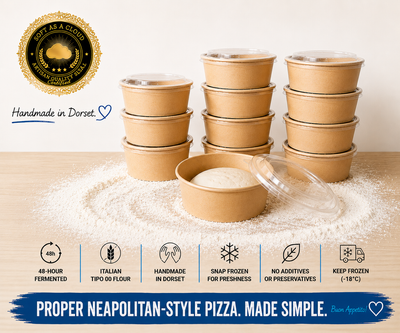 48-Hour Neapolitan-Style Pizza Dough Balls – Box of 12
£22.88
48-Hour Neapolitan-Style Pizza Dough Balls – Box of 12
£22.88
-
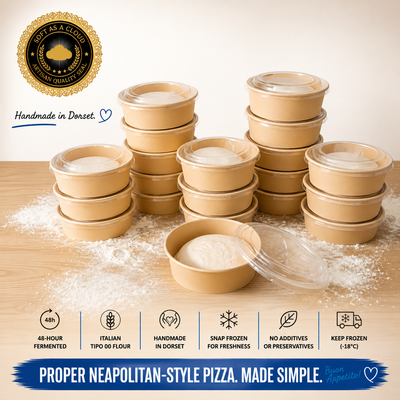 48-Hour Neapolitan-Style Pizza Dough Balls – Box of 20
£32.30
48-Hour Neapolitan-Style Pizza Dough Balls – Box of 20
£32.30
-
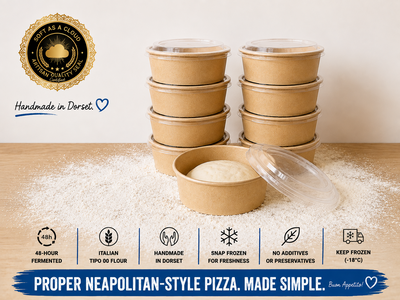 48-Hour Neapolitan-Style Pizza Dough Balls – Box of 8
£18
48-Hour Neapolitan-Style Pizza Dough Balls – Box of 8
£18
Handmade in Dorset • Free UK delivery over £50 • Free proofing pot with every dough ball