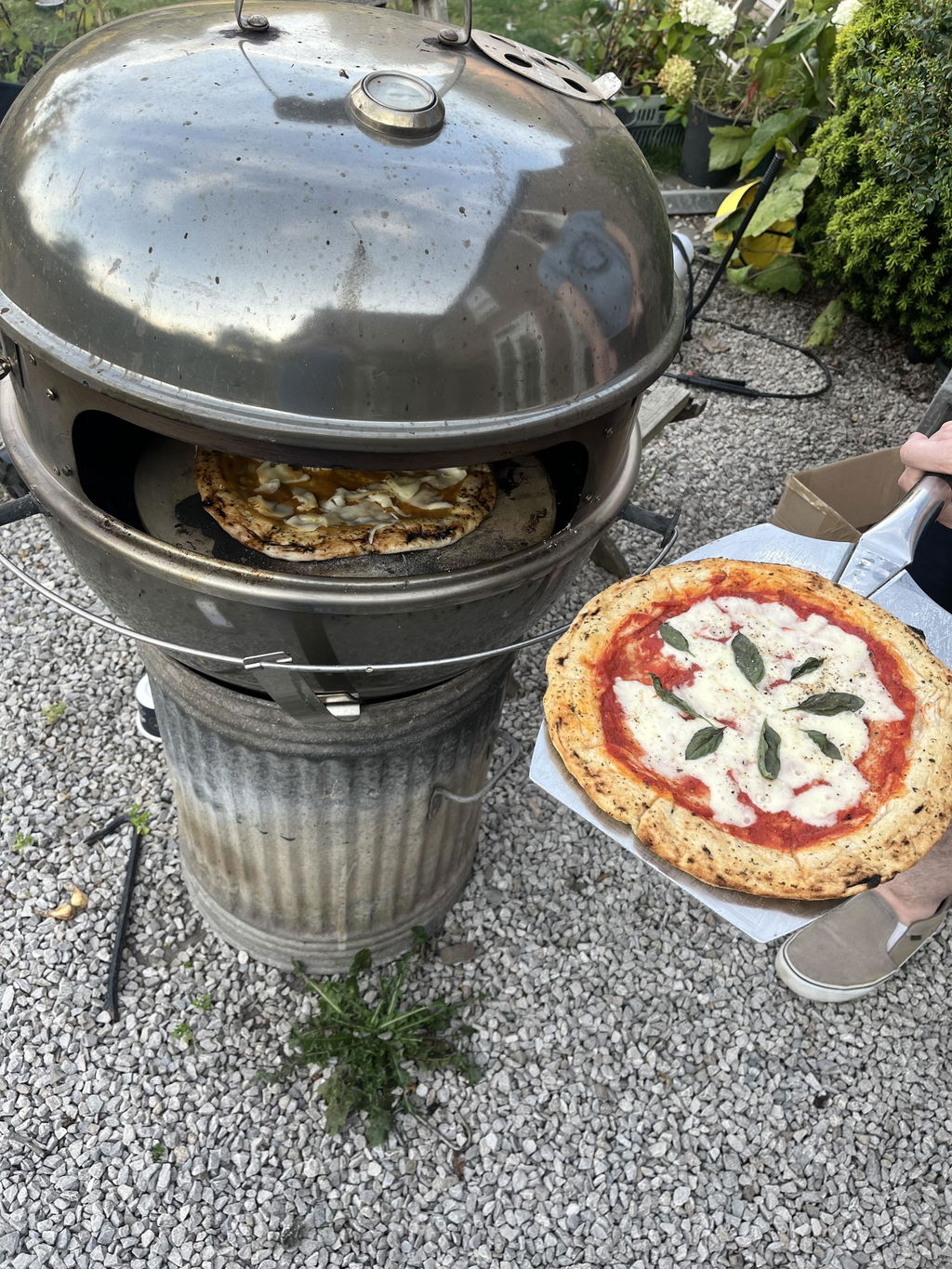
Neapolitan Pizza Toppings: What's Authentic (and What's Not)
Discover authentic Neapolitan pizza toppings that elevate your cooking. Learn which ingredients are essential and how to stay true to tradition.
A true Neapolitan pizza carries San Marzano tomatoes, fior di latte or mozzarella di bufala, fresh basil, extra-virgin olive oil, and a pinch of oregano, nothing more, nothing heavier. That’s the Margherita and Marinara standard set by the Associazione Verace Pizza Napoletana, and it’s the baseline every other topping choice gets measured against. Home cooks can still branch out. A few thin slices of prosciutto laid on after the bake, a dollop of burrata melting into the heat of a fresh crust, or a scattering of pre-cooked mushrooms all fit the spirit of Neapolitan pizza even though they fall outside the two protected styles.
The must-haves, if you’re stocking a pantry for this style, come down to five items:
- San Marzano tomatoes (canned, hand-crushed)
- Mozzarella di bufala or fior di latte
- Fresh basil leaves
- Extra-virgin olive oil
- Dried oregano (for Marinara specifically)
Everything past that list is where personal taste and regional variation take over.
Key Takeaways
Authentic Neapolitan pizza succeeds or fails on ingredient quality and restraint, not on how many toppings you can fit on the disc.
| Point | Details |
|---|---|
| Only two pizzas are protected | AVPN certifies just Margherita and Marinara, each with exact gram-level dosage rules. |
| Cheese moisture drives sogginess | Drain and portion fior di latte or bufala in patches, never as a solid layer. |
| Delicate toppings go on after baking | Prosciutto, burrata, and arugula survive better added once the pizza leaves the oven. |
| Cap toppings at two to three | The 90-second, 850–900°F bake can’t handle more weight without a soggy center. |
| Doughdorks supplies the fundamentals | Its 48-hour dough and pre-cooked bases handle the hardest part, leaving topping choices to you. |
Table of Contents
- Classic Neapolitan Pizza Toppings: Margherita and Marinara
- Traditional Variations Beyond Margherita and Marinara
- Choosing the Right Cheese for a Neapolitan Bake
- Tomato Choices and a Simple No-Cook Sauce
- Cured Meats and Charcuterie Timing
- Vegetables and Mushrooms: Prepping for a Fast Bake
- Seafood and Delicate Toppings on Neapolitan Pizza
- How Toppings Affect Cooking in a High-Heat Oven
- AVPN Rules and What They Mean for Your Toppings
- Twelve Neapolitan-Friendly Topping Combos
- Where to Source Authentic Ingredients and Build Your Pantry
- Why Starting Simple Beats Chasing Complexity
- Get the Ingredients Right Without the Guesswork
- Frequently Asked Questions
- Sources
Classic Neapolitan Pizza Toppings: Margherita and Marinara
Only two pizzas carry official AVPN protection, and both are built around restraint rather than abundance. Get these right first. Everything else on this page is a variation on the theme.
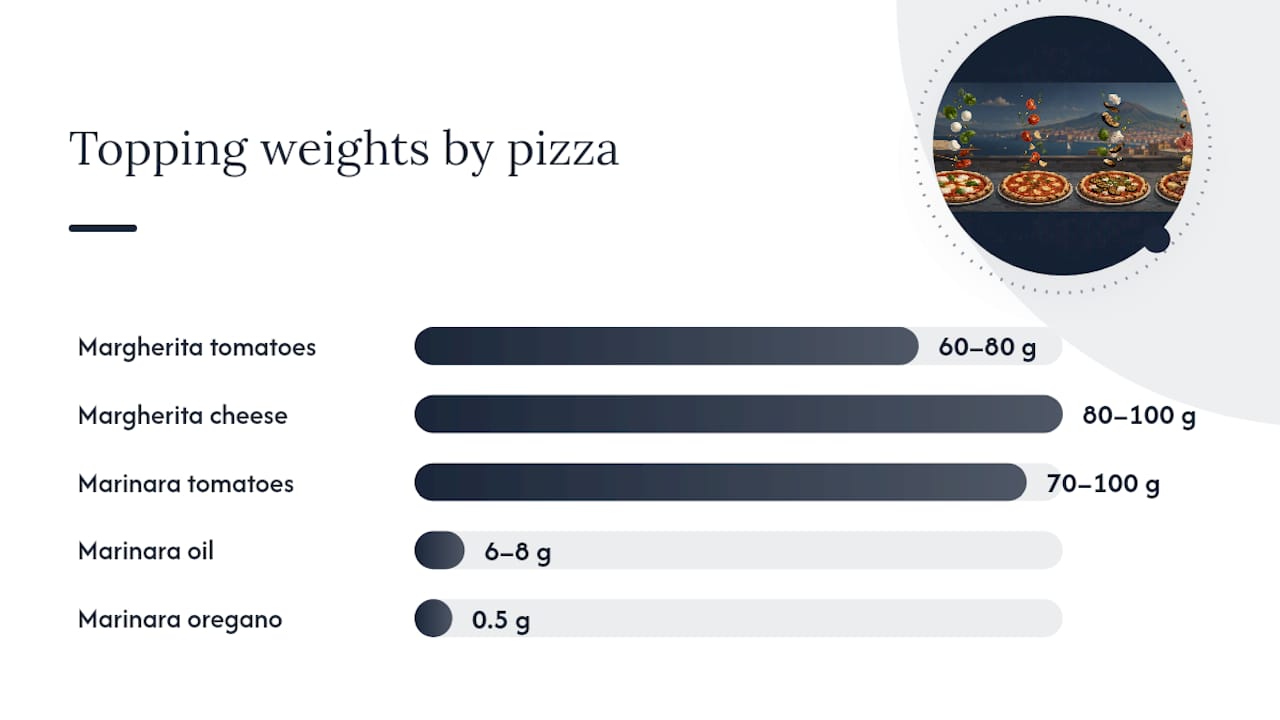
Pizza Margherita starts with 60 to 80 grams of hand-crushed San Marzano peeled tomatoes, spread from the center outward in a spiral, stopping short of the cornicione. On top goes 80 to 100 grams of mozzarella (either fior di latte or bufala), torn into small pieces and distributed in patches rather than laid flat, according to the AVPN disciplinare. A few basil leaves and a light drizzle of extra-virgin olive oil finish it, sometimes with a dusting of grated hard cheese. Home ovens change the math slightly. Recipe sources like Food Network suggest closer to 3 tablespoons of sauce and under 3 ounces of cheese for a 12 inch pie baked at lower, longer heat, since a domestic oven doesn’t set the crust as fast as an 850°F deck.
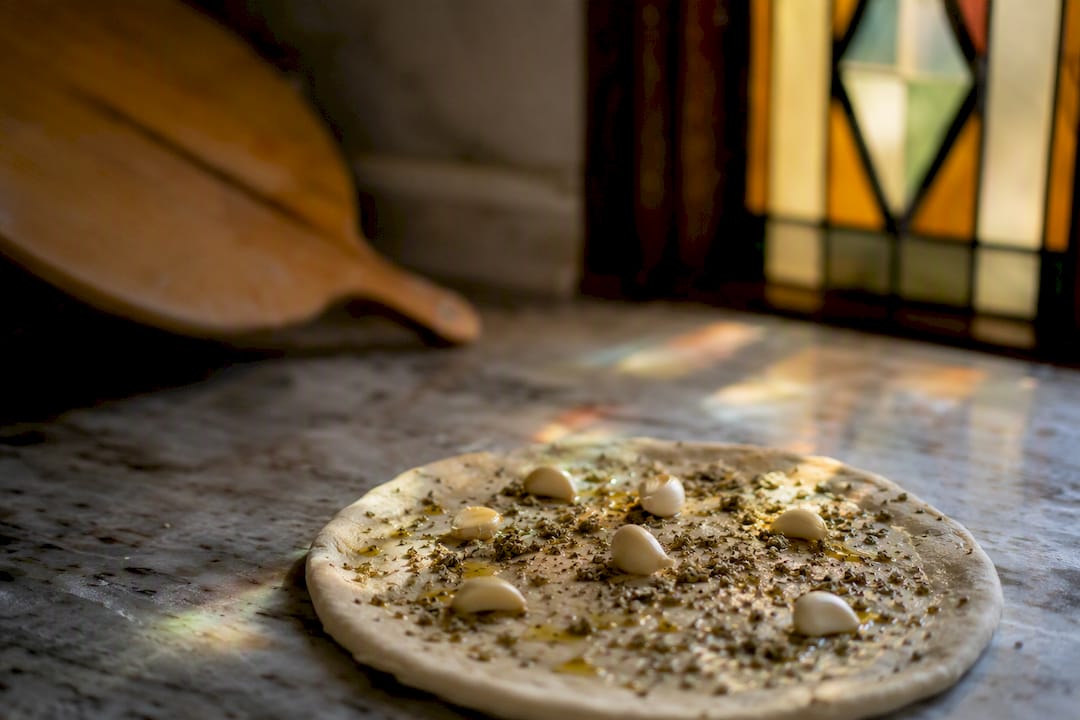
Pizza Marinara skips cheese entirely, which surprises a lot of first-time Neapolitan cooks. It’s tomato, garlic, oregano, and oil, and that’s the whole ingredient list. AVPN dosage calls for 70 to 100 grams of peeled tomatoes, a single clove of garlic (whole or sliced thin, never minced into a paste), 0.5 grams of dried oregano, and 6 to 8 grams of extra-virgin olive oil. It’s the older of the two pizzas historically, and it remains the better test of whether your tomatoes and oil are actually good, since there’s no cheese to hide behind.
| Pizza | Tomatoes | Cheese | Herbs/Aromatics | Oil |
|---|---|---|---|---|
| Margherita | 60–80g San Marzano, crushed | 80–100g mozzarella, torn in patches | A few basil leaves | Light drizzle EVOO |
| Marinara | 70–100g San Marzano, crushed | None | 1 garlic clove, 0.5g oregano | 6–8g EVOO |
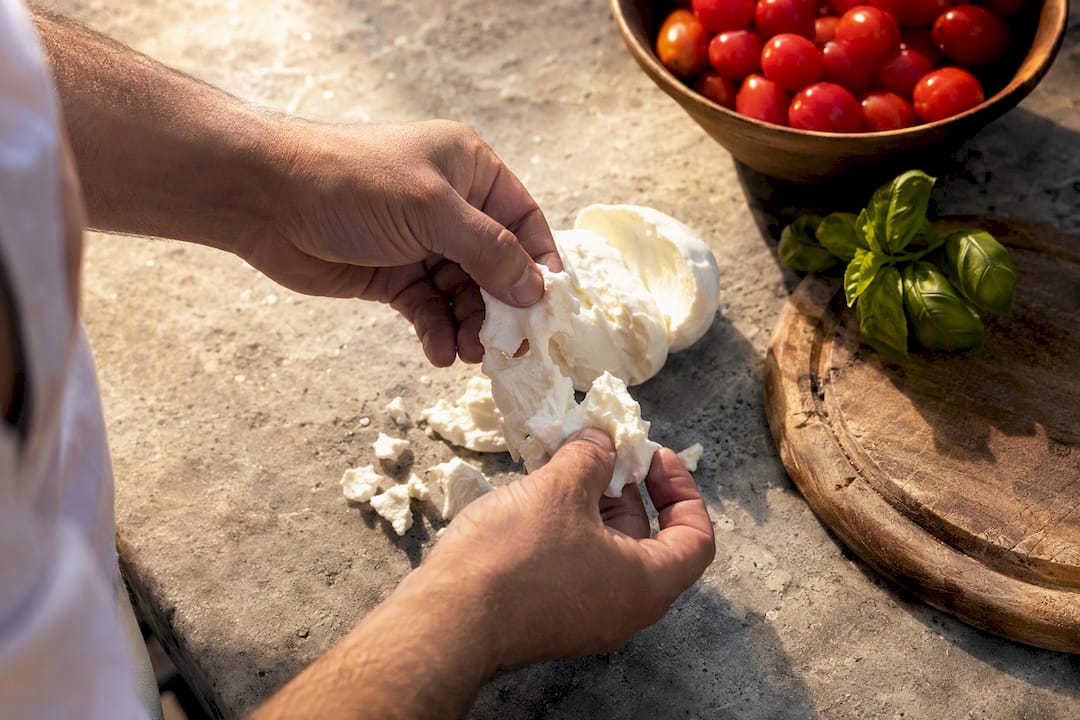
Pro Tip: Tear mozzarella into pieces roughly the size of a large grape and space them with visible gaps between patches. Solid sheets of cheese trap steam underneath and that’s the number one cause of a soggy center on an otherwise perfect crust.
Traditional Variations Beyond Margherita and Marinara
AVPN only protects two pizzas, but Naples has plenty of other combinations that have earned a place at the table over generations. These sit in a gray zone: not officially certified, but not modern inventions either.
- Cosacca (or Cossack-style): grated hard cheese, oregano, garlic, and oil, no tomato at all, an older cousin to the Marinara.
- Ripieno: a folded, calzone-style preparation using similar filling ingredients as the open pizzas.
- Napoli (with anchovies): tomato base topped with anchovies and oregano, a regional staple long before “gourmet” pizza existed.
The distinction that matters for a home cook is simple: AVPN-protected means exact dosage rules and certification audits; everything else is judged by whether it respects the same principles, light toppings, quality ingredients, and a bake that can actually finish the pie in 90 seconds.
Pro Tip: If a topping combination could survive an 850°F blast without turning to mush or burning, it’s probably “authentic enough” for a home kitchen, even if a certifying body would never stamp it.
Choosing the Right Cheese for a Neapolitan Bake
Mozzarella di bufala and fior di latte are both correct answers, and choosing between them comes down to moisture control as much as flavor. Bufala, made from water buffalo milk, has a tangier, richer taste and a wetter texture. It’s spectacular but demands careful draining, since excess whey pooling under the crust is what turns a beautiful pizza into a wet mess in the middle. Fior di latte, made from cow’s milk, runs drier and melts more evenly, which is part of why it shows up more often on Margherita pizzas made outside Naples.
If neither import is available, a few substitutes still hold up:
- Low-moisture, whole-milk mozzarella: widely available, melts predictably, forgiving for beginners.
- Burrata: far too wet to bake, so add it in dollops after the pizza comes out of the oven, letting the residual heat soften it.
- Grated Parmigiano Reggiano or Pecorino: used sparingly as a finishing dust, not a base layer, for extra savoriness without added moisture.
Cheese moisture directly determines how a topping survives a 90-second, 850 to 900°F bake. Wetter cheese means more steam released mid-bake, which is exactly what a Neapolitan crust, thin and quick-cooking, has no time to manage.
Pro Tip: Pat fresh mozzarella dry with paper towels for several minutes before tearing it, and let torn pieces sit on a rack for five minutes to shed extra liquid. That small step alone fixes most soggy-center complaints.
Tomato Choices and a Simple No-Cook Sauce
San Marzano DOP canned peeled tomatoes remain the gold standard, prized for low acidity, thin skins, and fewer seeds than standard plum tomatoes. If you can’t source certified San Marzano, Bianco DiNapoli or a good quality Roma tomato in the can are reasonable substitutes, and the difference in the finished pizza is smaller than tomato snobs suggest.
Making the sauce itself takes minutes, not a stovetop:
- Drain excess liquid from canned peeled tomatoes, keeping the pulp.
- Crush by hand rather than blending, which keeps some texture and avoids a watery puree.
- Season lightly with sea salt, tasting as you go rather than following a fixed ratio.
- Skip the strainer unless the tomatoes taste seedy or bitter, in which case pass them through a food mill.
- Spread in a spiral from the center of the disc outward, stopping an inch from the edge to protect the cornicione.
For a 12 to 12.5 inch disc, aim for 60 to 100 grams depending on whether you’re making Margherita or Marinara, matching the AVPN dosage ranges above. Fresh cherry tomatoes work as an occasional stand-in, particularly halved and lightly roasted first to concentrate flavor and shed water. They’re acceptable when:
- The canned tomato on hand tastes flat or overly acidic.
- You want a brighter, sweeter profile for a summer-style pie.
- You’re building a white pizza where canned sauce isn’t part of the plan at all.
Cured Meats and Charcuterie Timing
Not every cured meat survives a blistering 90-second bake, and the ones that do generally share one trait: they’re thin. Thin-sliced spicy salami crisps up nicely and renders some fat in that short window. Prosciutto, by contrast, turns leathery and salty if it goes in raw before the bake, so it’s almost always added fresh after the pizza comes out, a technique confirmed across multiple Neapolitan recipe sources.
Avoid raw sausage and thick-cut bacon unless pre-cooked separately first, since neither one has time to render properly at these temperatures.
- Thin salami or spicy soppressata: fine to add before baking.
- Prosciutto, bresaola, and other delicate cured meats: add after the bake.
- Raw sausage or thick bacon: pre-cook fully, then slice thin before topping.
Keep meat to a single, restrained layer, roughly one ounce per pizza. More than that tips the balance and works against the light-topping philosophy that defines the whole style.
Pro Tip: Slice cured meats paper thin with a sharp knife rather than tearing them by hand. Thinner slices crisp faster and distribute flavor more evenly across each bite.
Vegetables and Mushrooms: Prepping for a Fast Bake
Raw vegetables rarely have time to cook through in 90 seconds, so most need a head start. Mushrooms should be pre-sautéed until their moisture cooks off; raw mushrooms on a Neapolitan pie just steam in place and add unwanted liquid. Thin-sliced artichokes packed in oil work well straight from the jar. Thick bell pepper strips, on the other hand, stay crunchy and raw-tasting under this bake and are better skipped or roasted ahead of time.
- Sauté mushrooms in a dry pan until browned and dry, then cool before topping.
- Salt sliced zucchini or eggplant and let it sit 15 minutes to draw out water, then pat dry.
- Slice everything thin, no piece thicker than a coin.
Distribute vegetables sparingly and evenly rather than clustering them in the center, which is exactly where moisture pools and sogginess starts.
Seafood and Delicate Toppings on Neapolitan Pizza
Anchovies have a long-standing place in Neapolitan tradition, usually brined and laid thin directly on the pie before baking, where the short cook time keeps them from turning to mush. Clams appear more in Neapolitan-adjacent seafood pizzas from the wider Campania region, typically pre-cooked and shelled before going on the dough, since raw shellfish has no realistic chance of cooking safely in 90 seconds.
- Add anchovies before the bake in small quantities, two or three fillets per pizza is plenty.
- Pre-cook any shellfish fully before topping, never rely on oven time to cook it through.
- Keep seafood toppings simple; pairing more than one type usually muddies the pizza rather than improving it.
If sourcing fresh shellfish, buy same day from a trusted fishmonger and cook it thoroughly before it touches the dough.
How Toppings Affect Cooking in a High-Heat Oven
A Neapolitan oven runs 850 to 900°F and finishes a pizza in about 90 seconds, a window so short that topping choice becomes a structural decision, not just a flavor one. Every ingredient either needs to be oven-ready as-is (thin, cured, low-moisture) or pre-cooked before it goes on, because there simply isn’t time for raw ingredients to finish cooking, a point pizza-style guides make repeatedly when comparing Neapolitan to slower, cooler American styles.
- Cheese goes on in patches with visible gaps, never as a solid sheet.
- Sauce spreads thin with the back of a spoon, stopping short of the cornicione.
- Delicate toppings, fresh basil, prosciutto, burrata, go on after the bake, added while the pizza is still hot enough to warm them through.
If your center comes out soggy, the fix is almost always less sauce and drier cheese next time, not a hotter oven. If herbs are turning black and bitter, add them after baking instead of before. And if toppings feel undercooked, they probably needed pre-cooking before they ever touched the dough.
Pro Tip: Keep a small dish of finishing ingredients, torn basil, a fresh basil leaf or two, extra oil, next to the oven so you can dress the pizza the moment it comes out, while the crust still has enough residual heat to melt or wilt them gently.
AVPN Rules and What They Mean for Your Toppings
The AVPN disciplinare exists to protect two specific pizzas, Margherita and Marinara, down to the gram. Dough specs, ingredient sourcing, and dosage ranges are all spelled out precisely, which is why a certified Neapolitan pizzeria in Naples tastes remarkably consistent from one to the next.
For a home kitchen, that rulebook translates into a short, practical checklist:
- Use low-moisture cheese, or drain wetter cheese thoroughly before topping.
- Cap toppings at two to three per pizza, including cheese and sauce.
- Add delicate or raw-style ingredients after the bake, not before.
- Treat quality of ingredients as more important than variety of ingredients.
Authenticity isn’t about policing every topping choice. It’s about respecting a set of physical constraints, a hot oven, a fast bake, and thin dough, that reward restraint over excess. The rules exist because they work, not because tradition demands blind obedience.
Twelve Neapolitan-Friendly Topping Combos
Each of these respects the two-to-three-topping ceiling and the after-bake principle where it matters.
- Margherita — San Marzano tomatoes, fior di latte, basil, EVOO. The benchmark; get this right before anything else.
- Marinara — tomato, garlic, oregano, oil, no cheese. Add garlic thin, never minced, so it doesn’t burn bitter.
- Diavola, light — tomato, mozzarella, a few slices of spicy salami added before baking for rendered heat.
- Prosciutto and arugula — Margherita base, with prosciutto and fresh arugula laid on immediately after the bake.
- Burrata finish — Marinara or plain tomato base, burrata torn and dropped on straight from the oven.
- Mushroom — pre-sautéed mushrooms with garlic, mozzarella, a touch of thyme, all pre-cooked before topping.
- Anchovy Marinara — the Marinara base with two or three anchovy fillets added before baking.
- Cherry tomato and basil — halved, lightly roasted cherry tomatoes with fior di latte and torn basil.
- Burrata and prosciutto — a double after-bake finish, burrata first, prosciutto draped over while the cheese is still warm.
- Fennel sausage — pre-cooked sausage, thin-sliced, with mozzarella and a hint of fennel seed.
- Pesto white — a pesto base swapped in for tomato, oil-forward rather than cream-based, since heavier white sauces don’t integrate well in a bake this fast.
- Lemon and ricotta — a drained ricotta dollop and a light grate of lemon zest added right after the pizza leaves the oven.
Where to Source Authentic Ingredients and Build Your Pantry
Sourcing good ingredients matters more than any single technique on this page. A compact Neapolitan pantry covers most of what you’ll need: canned San Marzano tomatoes, fior di latte or bufala, a stable extra-virgin olive oil, Italian 00 flour for the dough, and coarse sea salt. Specialty Italian delis and online retailers carry most of these outside Italy, and it’s worth reading labels closely, since “San Marzano style” and true DOP San Marzano are not the same product.
Doughdorks curates a pizza toppings collection built around exactly these standards, alongside 48-hour fermented dough for readers who want the crust handled while they focus on toppings.
Store fresh cheese in its own liquid in the fridge and use it within a few days of opening. Unopened canned tomatoes keep well for months, but once opened, transfer any leftover product to a sealed container rather than storing it in the can.
Pro Tip: Buy San Marzano tomatoes and good EVOO in bulk when you find a trusted brand. Both keep well, and having them on hand removes the biggest barrier to making a proper Margherita on a random Tuesday.
Why Starting Simple Beats Chasing Complexity
The best advice I can give anyone serious about this style is to nail the Margherita and Marinara before touching anything else. Both pizzas are unforgiving of bad ingredients, which makes them the best training ground for understanding what actually matters: tomato quality, cheese moisture, oil freshness. Once those fundamentals click, experimenting with burrata, prosciutto, or a pesto base becomes a lot more intuitive, because you already know what a properly balanced pizza feels like in the hand and tastes like in the mouth. That’s part of why Doughdorks builds its dough and topping lineup around getting those basics right first.
Get the Ingredients Right Without the Guesswork
Sourcing San Marzano tomatoes, real fior di latte, and a dough that actually ferments for 48 hours is the hard part of this whole style, not the topping decisions themselves. Doughdorks handles that groundwork: 48-hour fermented dough built with Italian 00 flour and fresh yeast, plus pre-cooked bases for anyone who wants to test five different topping combos in one night without kneading a single ball of dough.

If you’d rather skip the crushed-tomato spiral technique entirely for your first attempt, the pesto Neapolitan pizza offers a ready-made, oil-based route that sidesteps sauce prep altogether. Order dough or a pre-cooked base today and build your topping combo of choice tonight.
Frequently Asked Questions
What are the traditional toppings for Neapolitan pizza? Traditional Neapolitan pizza toppings are limited to San Marzano tomatoes, fior di latte or mozzarella di bufala, fresh basil, extra-virgin olive oil, and, for Marinara, garlic and oregano instead of cheese.
Can you make Neapolitan pizza without tomato sauce? Yes. White Neapolitan pizza swaps tomato for extra-virgin olive oil and fresh cheese, or a light pesto base, since heavy cream-based sauces don’t set properly in a short, high-heat bake.
How many toppings should a Neapolitan pizza have? Two to three toppings total, including cheese and sauce, keeps the pizza light enough to cook through evenly in under two minutes at extreme heat.
Is mozzarella di bufala better than fior di latte for Neapolitan pizza? Neither is objectively better. Bufala offers richer, tangier flavor but needs careful draining; fior di latte runs drier and melts more predictably, making it more forgiving for beginners.
Can I add pepperoni or heavy toppings to a Neapolitan pizza? You can, but it moves the pizza outside the traditional Neapolitan style. Thin, cured meats like spicy salami work best if added before baking, while heavier or fattier meats need pre-cooking first.
Sources
- Disciplinare 2022 ENG web
- Pizza Toppings Ideas: A Style-by-Style Guide to What Works | The Pizza Craft
- Neapolitan pizza — Wikipedia
- Mypizzacorner
Recommended
- Apple Pay
- Neapolitan Pizza Dough: Authentic Recipe for Home Ovens
- Authentic Neapolitan Pizza Dough Balls - Ready Made Box of 8
- Authentic Pre-Cooked Neapolitan Pizza Bases (Pack of 8) | Dough Dorks
PIZZA NIGHT, SORTED
Build the pizza with proper Italian ingredients
Shop Italian toppings, then add 48-hour fermented dough balls from Dorset for a complete pizza night.
-
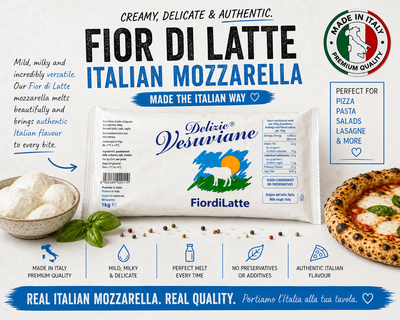 Fior di Latte Mozzarella for Pizza – 1kg
£12.59
Fior di Latte Mozzarella for Pizza – 1kg
£12.59
-
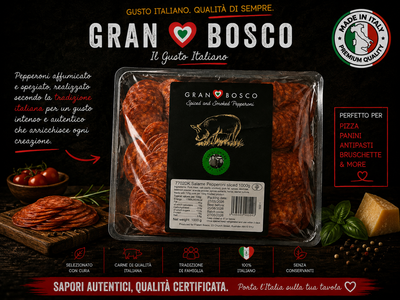 Gran Bosco, Smoked Sliced Pepperoni – 1kg
£18
Gran Bosco, Smoked Sliced Pepperoni – 1kg
£18
-
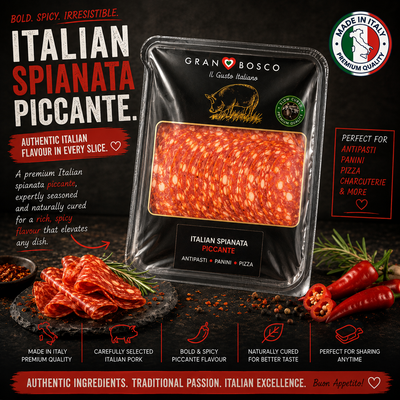 Gran Bosco - Italian Spianata Piccante 250g
£8.10
Gran Bosco - Italian Spianata Piccante 250g
£8.10
Handmade in Dorset • Free UK delivery over £50 • Free proofing pot with every dough ball