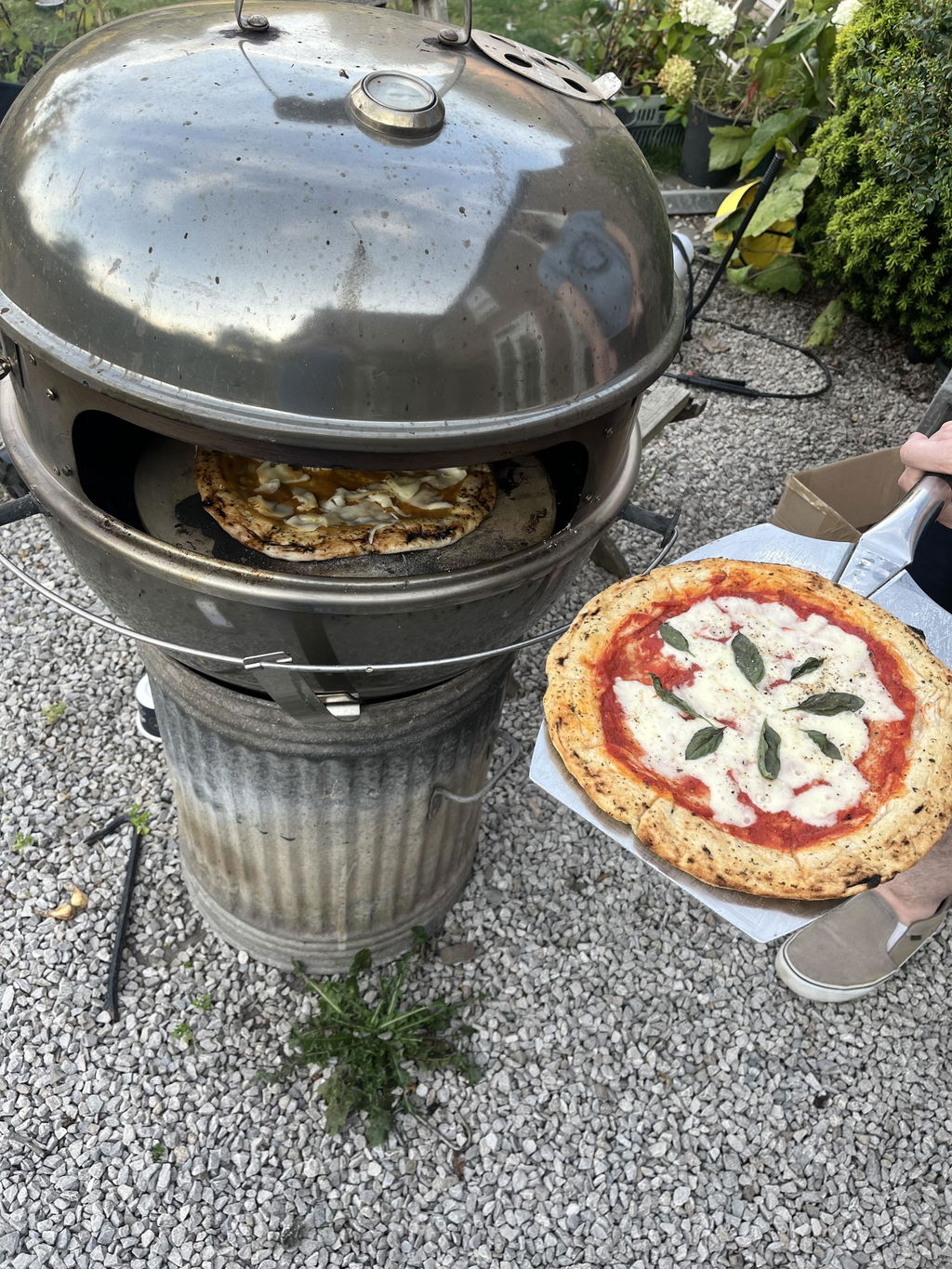
00 Flour Explained: A Home Pizza Cook's Guide
Discover what 00 flour is and how it enhances your home pizza and pasta. Learn tips for using this fine Italian flour effectively.
00 flour (pronounced “doppio zero”) is an Italian-milled wheat flour ground to an exceptionally fine powder. The “00” designation is purely a grind classification, not a protein or strength label. For Neapolitan pizza and fresh pasta, it is worth buying. For a standard home oven baking sandwich bread, all-purpose flour works just as well. America’s Test Kitchen’s testing confirms that 00 dough stretches more easily and snaps back less, which is exactly what you want when hand-stretching a thin pizza round.
Key Takeaways
Pizza-grade 00 flour is an Italian milling grade indicating very fine grind, not protein level, and it produces a more extensible dough that is ideal for Neapolitan pizza and fresh pasta.
| Point | Details |
|---|---|
| “00” means grind, not protein | The designation refers to milling fineness on Italy’s 00-to-2 scale, not flour strength. |
| Check protein on the bag | Pizza-grade 00 runs 12–13% protein; pasta-grade runs 9–10% and should not be used for pizza. |
| Hydration adjustment | Start at 60–65% hydration with 00 flour; reduce by 2–3% when substituting all-purpose flour. |
| Best uses | Neapolitan pizza, fresh pasta, and soft flatbreads; less suited to tall loaves without blending. |
| Doughdorks ready-made option | Doughdorks’ 48-hour fermented dough balls use Italian 00 flour and arrive ready to proof and bake. |
Table of Contents
- What does “00” actually mean?
- How does 00 flour differ from all-purpose and bread flour?
- How does protein percentage affect your dough?
- What are the best uses for 00 flour?
- What U.S. products and substitutes work for 00 flour?
- When should you avoid 00 flour?
- Where can you buy 00 flour in the United States?
- A simple Neapolitan-style pizza dough using 00 flour
- Why 00 flour is the one ingredient worth getting right
- Ready to skip the flour sourcing?
- Sources
What does “00” actually mean?
Italy grades wheat flour on a scale from 00 to 2, where the number reflects how finely the grain has been milled, not how much protein it contains. “Doppio zero” sits at the finest end of that scale.
- 00: Finest grind, silky texture, almost powdery
- 0: Slightly coarser, still refined
- 1: Medium grind, some bran present
- 2: Coarsest, closest to whole wheat
The confusion for American cooks comes from the fact that U.S. flour labeling is protein-based (“bread flour,” “all-purpose,” “cake flour”). Always check the protein percentage on the label rather than assuming the grade tells you everything.
How does 00 flour differ from all-purpose and bread flour?
The grind is the first difference you notice. 00 flour feels almost like talcum powder between your fingers. All-purpose and bread flour feel noticeably coarser. That fineness changes how the flour hydrates: water absorbs faster and more evenly, producing a silkier, smoother dough with less mixing time.
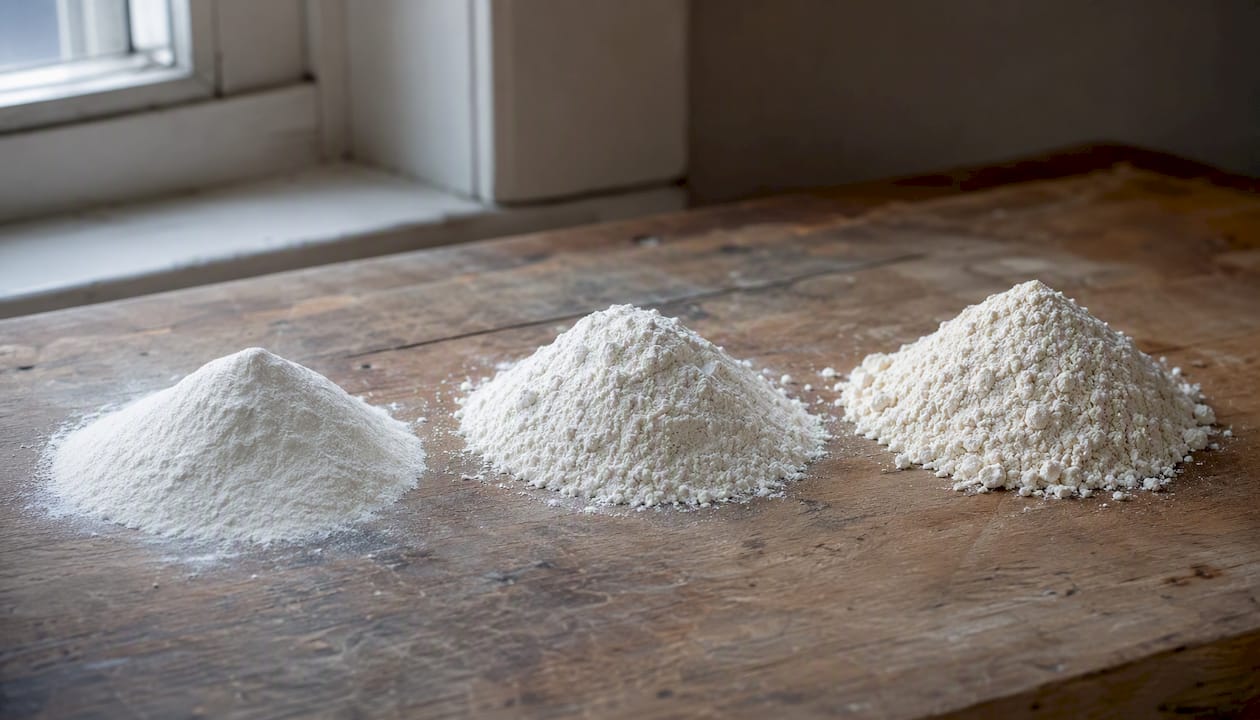
The practical dough differences come down to extensibility versus elasticity. Bread flour’s higher protein builds tight, springy gluten that wants to snap back when you stretch it. Pizza-grade 00 flour, even at a similar protein level, produces a more extensible dough that holds a thin shape without fighting you. Flourwise’s comparative testing shows that 00’s fine grind produces a more extensible, less springy dough and a tender crust that browns and chars faster at high heat.
| Flour | Grind | Typical protein | Best uses | Dough outcome |
|---|---|---|---|---|
| Italian 00 (pizza) | Very fine | 12–13% | Neapolitan pizza, pasta | Extensible, silky, fast-charring |
| All-purpose | Medium | 10–12% | Everyday baking, pizza | Moderate chew, less stretch |
| Bread flour | Medium-coarse | 12–13% | Bread, chewy pizza | Springy, strong structure |
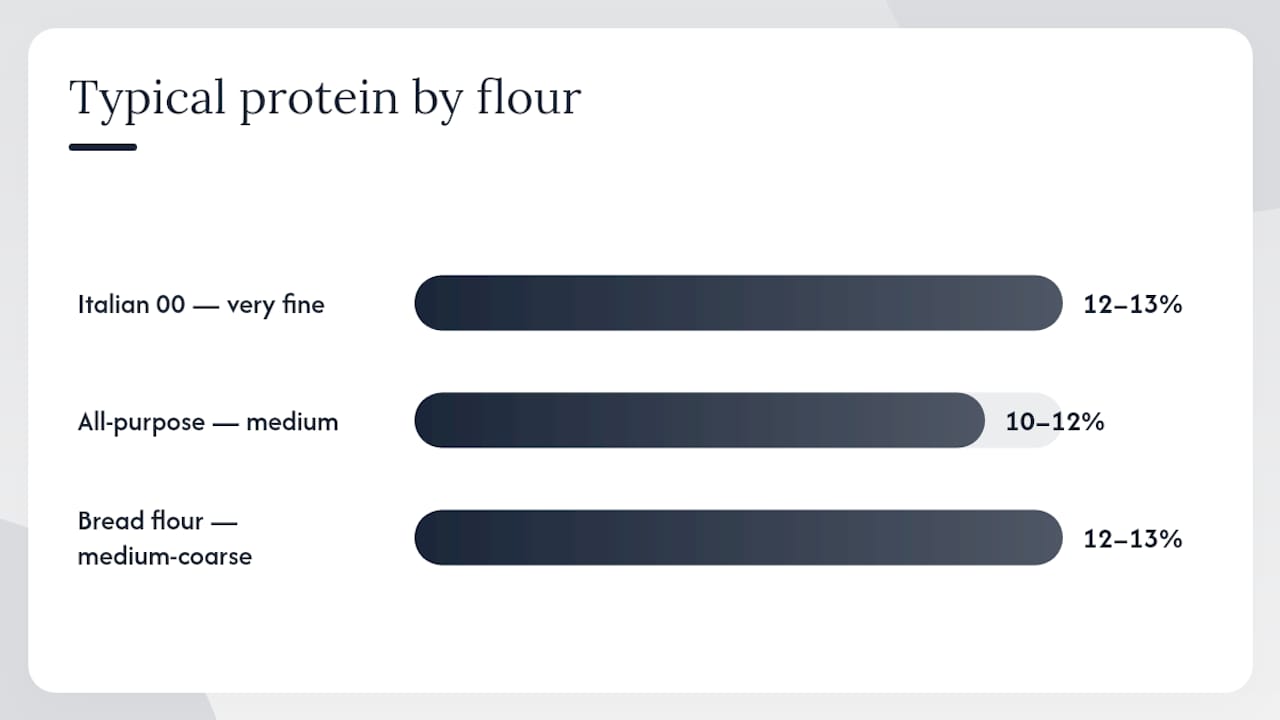
For thin-crust pizza, that extensibility gap matters more than the protein numbers suggest.
How does protein percentage affect your dough?
Thursday Night Pizza’s research notes that Caputo Pizzeria sits around 12.5%, which is comparable to many bread flours.
Here is how to translate those numbers into recipe decisions:
- Pizza-grade 00 (12–13% protein): Use a hydration of 60–65% for a classic Neapolitan dough. Cold-retard for 24–72 hours to develop flavor and improve extensibility.
- Pasta-grade 00 (9–10% protein): Use for fresh pasta and gnocchi. Hydration is lower (around 55–60% depending on egg content). Do not use this for pizza.
- Adjusting hydration: Because 00 absorbs water quickly, start at the lower end of your target range and add water gradually. Overly wet 00 dough is sticky and hard to shape.
- Fermentation: Longer cold fermentation (48–72 hours) relaxes the gluten further, making the dough even easier to stretch without tearing.
Pro Tip: Mix 00 dough until just combined, then rest it for 20–30 minutes before kneading. That rest (autolyse) lets the fine flour fully hydrate and reduces the risk of overmixing, which tightens the gluten and makes stretching harder.
What are the best uses for 00 flour?
Neapolitan pizza is the primary reason most home cooks seek out 00 flour, and it earns that reputation. The fine grind and extensibility let you stretch a 250g dough ball into a 12-inch round by hand without it tearing or bouncing back. Pizza University’s hands-on notes confirm that 00 dough produces uniformly thin rounds more easily than coarser flours.
Beyond pizza, 00 works well for:
- Fresh pasta: The silky texture produces smooth, tender sheets for tagliatelle, pappardelle, and lasagna.
- Focaccia and soft flatbreads: The fine grind gives a lighter, airier crumb than all-purpose.
- Ciabatta blends: Many bakers blend 00 with bread flour to get an open crumb with good structure.
For oven temperature, 00 flour performs best above 700°F in a wood-fired oven, where it develops the characteristic leopard-spot char in 60–90 seconds. In a home oven, crank it to the maximum (typically 500–550°F) and use a preheated pizza stone or steel for at least 45 minutes.
Pro Tip: In a home oven, switch to the broiler for the last 60–90 seconds of the bake. The top heat mimics a wood-fired dome and gives you better color on the crust and toppings without underbaking the base.
What U.S. products and substitutes work for 00 flour?
Several reliable brands are available across the United States:
- Caputo Tipo 00 (Pizzeria/Chef’s Flour): The most widely recognized Italian import. Caputo Pizzeria runs around 12.5% protein and is the standard reference for Neapolitan dough. Available at specialty grocery stores, Italian delis, and online.
- King Arthur ‘00’ Pizza Flour: A domestic option milled to a comparable fineness with a protein level around 12.5%. Widely available at major grocery chains and online.
- Bob’s Red Mill Artisan Bread Flour: Not labeled 00, but Sunrise Flour Mill notes that many U.S. mills now produce flour at a comparable fineness to Italian 00 even without the label.
When you do not have 00 flour, The Kitchn confirms that all-purpose flour substitutes acceptably in most home recipes, with some differences in extensibility and chew. Practical adjustments:
- Reduce hydration by 2–3% when using AP flour (it absorbs water more slowly).
- Expect a slightly chewier, less tender crust.
- For a closer match, blend AP flour with a small amount of cake flour (roughly 80/20) to approximate the lower particle size.
A quick pinch test tells you a lot: 00 flour feels silky and leaves almost no residue on your fingers. AP flour feels slightly gritty. If your substitution flour passes the pinch test, it will behave closer to 00.
When should you avoid 00 flour?
00 flour has real disadvantages worth knowing before you commit to a bag.
- Cost: Italian imports like Caputo run noticeably more per pound than domestic all-purpose flour.
- Over-extensibility: A very extensible dough can spread too much if you are not careful during shaping, especially with high-hydration recipes.
- Faster browning: At high heat, 00 chars faster than AP or bread flour. In a home oven that does not exceed 500°F, this advantage disappears and can become a problem if you are not watching the bake.
- Not all 00 is the same: Pasta-grade 00 at 9–10% protein will produce a pizza dough that tears and spreads.
Watch out for these common pitfalls: Using pasta-grade 00 for pizza dough is the most common mistake. Check the bag for the word “pizza” or “pizzeria” and confirm protein is 12% or above. If the label says “pasta” or “pastry,” put it back. Also, skipping hydration adjustments when switching between 00 and AP flour leads to either sticky, unworkable dough or a dry, crumbly mess. A 2–3% water adjustment is small but meaningful.
Where can you buy 00 flour in the United States?
Caputo Tipo 00 and King Arthur ‘00’ Pizza Flour are the two most accessible options for U.S. home cooks.
- Caputo: Look for it at UK Italian delis, specialist baking retailers and catering suppliers; check the exact flour variety before buying. The blue bag (Caputo Pizzeria) is the standard pizza choice at roughly 12.5% protein. The red bag (Caputo Chef’s Flour) is slightly stronger and suited to longer ferments.
- King Arthur: Available at most major grocery chains including Kroger, Target, and Walmart, as well as King Arthur’s own website.
- Online: Amazon, Webstaurant Store, and specialty baking retailers carry multiple 00 brands in 1 kg, 2.2 lb, and 25 kg bulk bags.
Storage: Keep 00 flour in an airtight container away from heat and moisture. At room temperature it stays fresh for 6–12 months. For longer storage, seal it in a freezer bag and freeze; thaw completely before using to avoid condensation clumping the fine particles.
A simple Neapolitan-style pizza dough using 00 flour
Doughdorks uses this same approach in its Neapolitan pizza dough recipe.
| Ingredient | Weight | Notes |
|---|---|---|
| 00 pizza flour (12–13% protein) | 500g | Caputo Pizzeria or King Arthur 00 |
| Water (room temp) | 250g | 60–65% hydration |
| Fine sea salt | 8–10 minutes | Add after flour and water combine |
| Fresh yeast | salt, quantity varies | instant dry yeast |
Method:
- Dissolve yeast in water. Add flour and mix until no dry flour remains. Rest 20 minutes (autolyse).
- Add salt and knead for 8–10 minutes until smooth and slightly tacky but not sticky.
- Divide into 250g dough balls. Place in a lightly oiled container, cover, and refrigerate for 24–72 hours.
- Remove dough 2–3 hours before baking. Let it come fully to room temperature.
- Stretch by hand on a lightly floured surface. Do not use a rolling pin — it degasses the dough.
- Bake on a preheated stone or steel at 500–550°F for 6–8 minutes, switching to broil for the final 60–90 seconds.
Troubleshooting:
- Sticky dough: Reduce water by 10g next time. 00 hydrates fast; a little less water makes a big difference.
- Dough tears when stretching: It needs more rest. Return it to room temperature for another 30 minutes.
- Underbaked center: Preheat your stone or steel longer (at least 45–60 minutes) and place the pizza lower in the oven.
Pro Tip: For proper proofing, the dough ball should feel soft and pillowy before you stretch it. Press a finger in gently — it should spring back slowly, not immediately. If it springs back fast, give it another 20 minutes.
Why 00 flour is the one ingredient worth getting right
Most home pizza problems trace back to flour, not technique. A home cook can nail fermentation time, oven temperature, and topping balance, and still end up with a tough, chewy crust that fights every stretch. The flour is usually the culprit.
What gets underestimated about 00 flour is not the fineness itself — it is what that fineness does to the gluten network. Finely milled starch particles hydrate more uniformly, which means the gluten develops more evenly throughout the dough rather than in patches. The result is a dough that behaves predictably: it stretches where you push it and holds that shape. That consistency is what separates a round pizza from a lumpy oval.
It is strong enough to handle a 72-hour cold ferment without collapsing. What it lacks is the aggressive elasticity of bread flour, and for pizza, that is a feature, not a flaw. Bread flour’s snap-back is useful for a baguette. For a Neapolitan round, it is the thing standing between you and a thin, even crust.
The one caveat worth repeating: not all 00 flour is pizza flour. Buying pasta-grade 00 by mistake is a common and frustrating error. Check the protein percentage before you leave the store.
Ready to skip the flour sourcing?
Doughdorks’ 48-hour fermented Neapolitan pizza dough is made with authentic Italian 00 flour, fresh yeast, and extra virgin olive oil, then cold-retarded for 48 hours before shipping. You get the full benefit of pizza-grade 00 flour without tracking down a specialty bag or managing a multi-day ferment yourself.

Each dough ball arrives ready to proof and stretch, so the only step between you and a Neapolitan-style pizza is a hot oven. For a ready-to-top option, the pre-cooked Neapolitan pizza bases skip the dough step entirely. Order at Doughdorks and get it delivered fast.
Sources
- What is 00 Flour? | America’s Test Kitchen
- What Is 00 Flour — And Do You Actually Need It for Pizza? – Thursday Night Pizza
- AP vs Bread Flour vs 00 Flour: Pizza, Bread & Sourdough
- What Is 00 Flour — Pizza and Pasta Flour - The Kitchn
Recommended
- Neapolitan Pizza Dough Calculator Explained - Dough Dorks
- Neapolitan Pizza Dough: Authentic Recipe for Home Ovens
- Best Cheeses for Pizza: A Home Cook’s Guide
- Best Pizza Dough Balls for Home Cooks (2026 Guide)
READY-MADE • FROZEN • UK DELIVERY
Skip the mixing. Keep proper dough in your freezer.
48-hour fermented, individually proofed in their own pot and delivered frozen across the UK. Defrost, stretch, top and bake.
-
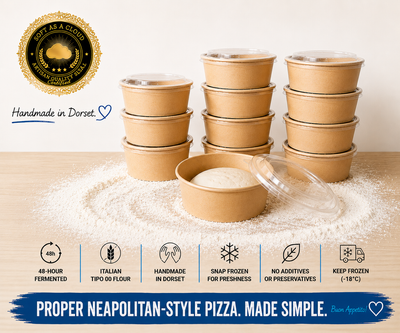 48-Hour Neapolitan-Style Pizza Dough Balls – Box of 12
£22.88
48-Hour Neapolitan-Style Pizza Dough Balls – Box of 12
£22.88
-
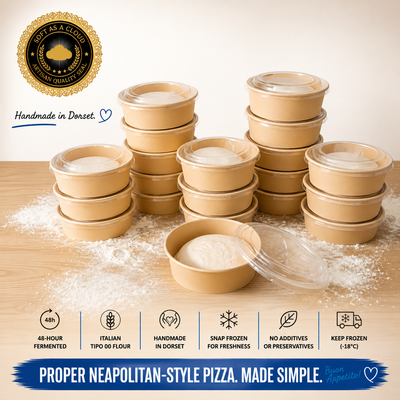 48-Hour Neapolitan-Style Pizza Dough Balls – Box of 20
£32.30
48-Hour Neapolitan-Style Pizza Dough Balls – Box of 20
£32.30
-
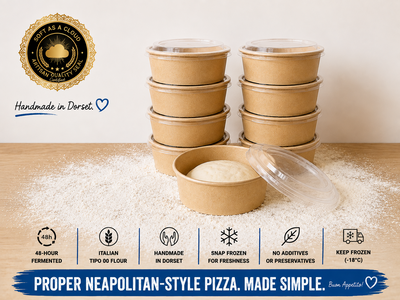 48-Hour Neapolitan-Style Pizza Dough Balls – Box of 8
£18
48-Hour Neapolitan-Style Pizza Dough Balls – Box of 8
£18
Handmade in Dorset • Free UK delivery over £50 • Free proofing pot with every dough ball