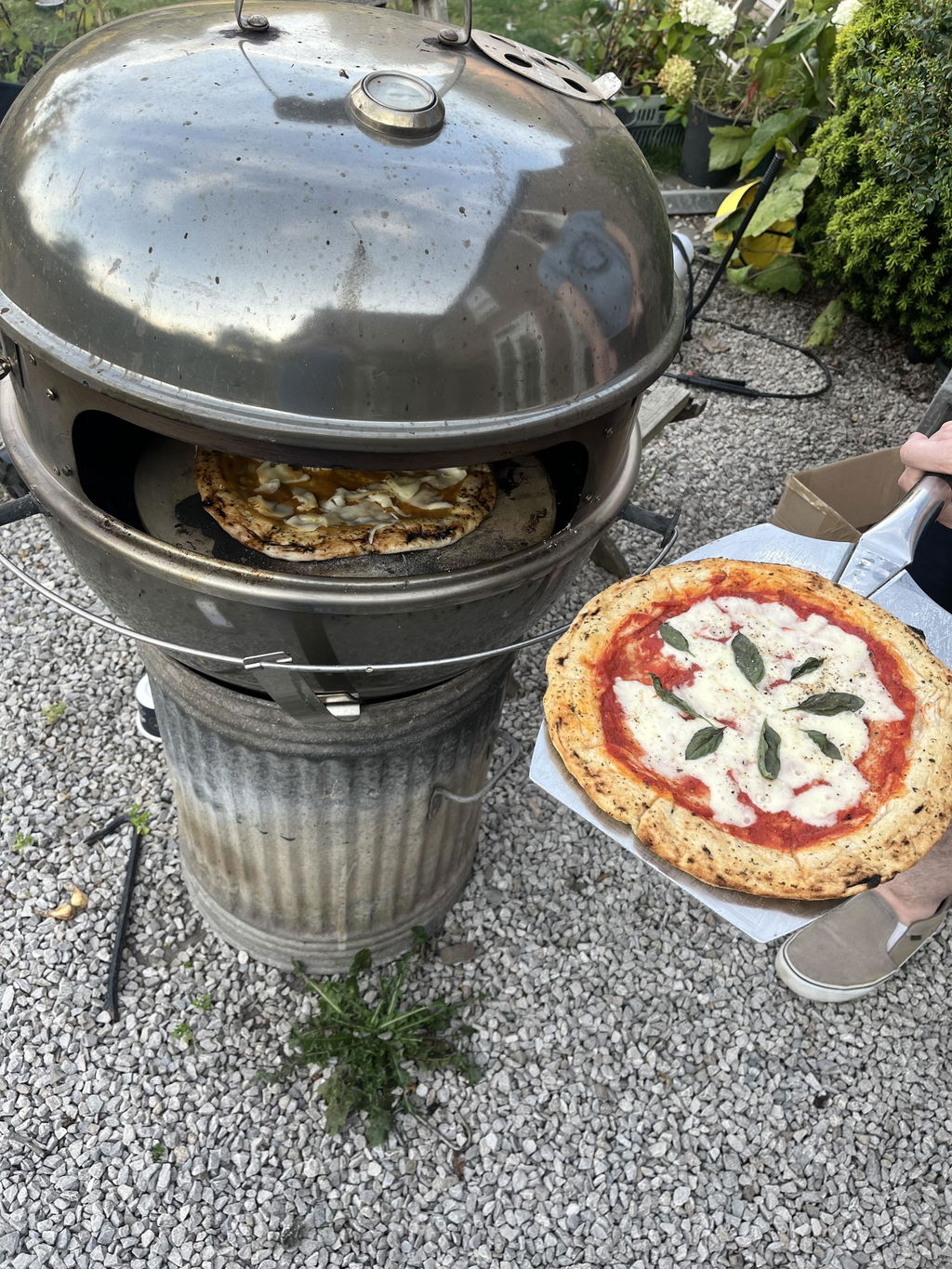
Should You Put Stracciatella on Pizza Before or After Baking?
Discover why stracciatella should top your pizza only after baking for a creamy finish. Unlock the perfect char and cream contrast!
Yes, spoon stracciatella over pizza only after it comes out of the oven. It’s a cool, creamy finishing cheese that must not be baked, because heat breaks its texture and turns silky curd into a greasy puddle. Dollop it on while the crust is still hot, drizzle with olive oil, and finish with torn basil for the classic contrast of char and cream.
TL;DR:
- Stracciatella should be added after baking to prevent the cream from melting into an oily puddle, ideally resting for 30 to 60 seconds post-oven.
- Use 2 to 3 tablespoons (about 50 to 100 grams) of stracciatella per 12-inch pizza, avoiding overloading the center to prevent sogginess.
- Drain excess whey from the cheese before use and bake the pizza on a preheated high-temperature surface like a pizza stone for best results.
- Substitutes like burrata or mascarpone can work in a pinch, but they do not perfectly replicate the loose, creamy texture of fresh stracciatella.
- Pairing ideas include a classic Margherita, cured meats like prosciutto or pancetta, and spicy or sweet toppings such as hot honey or pistachios, depending on the flavor profile.
Table of Contents
- What Is Stracciatella Cheese, Exactly?
- Why Add Stracciatella After Baking, Not Before?
- Three Stracciatella Pizza Recipes Worth Trying
- How Do You Stop Stracciatella Pizza From Getting Soggy?
- A Margherita Pizza With Stracciatella, Start to Finish
- What I’ve Learned About Timing Stracciatella Right
- Get the Right Ingredients for Stracciatella Pizza Night
- Where This Guide Got Its Facts
- Sources
What Is Stracciatella Cheese, Exactly?
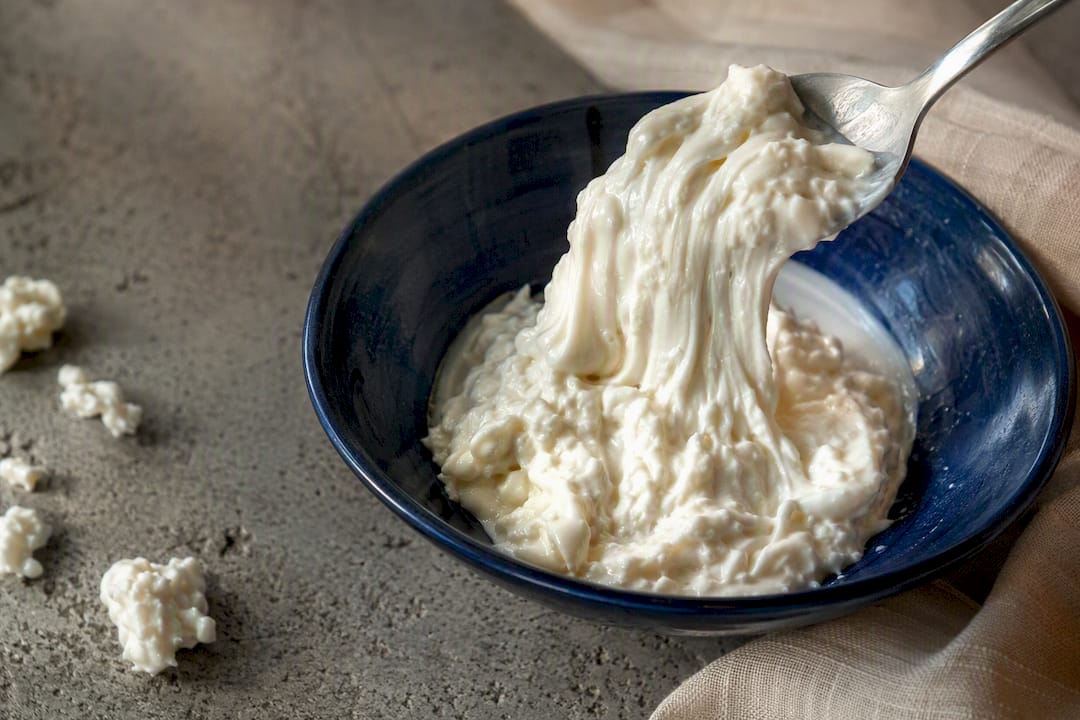
Stracciatella is fresh mozzarella curd shredded into thin ribbons and folded into unsweetened fresh cream, which is where its loose, spoonable texture comes from. The name comes from stracciare, the Italian verb for tearing or shredding, and the cheese traditionally comes from southern Italy), often made from buffalo or cow’s milk.
Here’s how it stacks up against its more famous relatives:
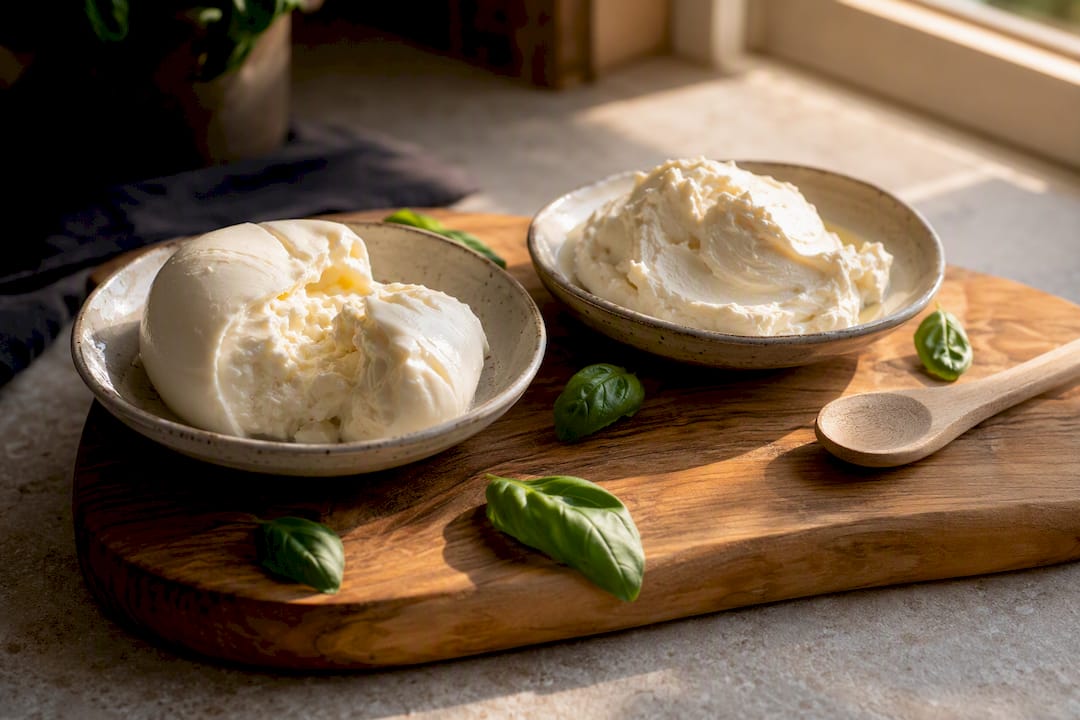
- Stracciatella: loose curd and cream, no outer shell, meant to be spooned rather than sliced.
- Burrata: a mozzarella pouch filled with stracciatella, so the filling is technically the same product wearing a shell.
- Fresh mozzarella: firmer curd with no added cream, holds its shape when torn or sliced.
Because it’s mostly cream and loose curd, stracciatella has a short shelf life. Buy it fresh, ideally from a cheesemonger or an artisan supplier, and use it within a few days. If a tub separates into visible whey and solids, that’s a texture cue worth watching, not a reason to toss it, but it does mean draining before use.
Why Add Stracciatella After Baking, Not Before?
The reason comes down to fat and moisture. Cream holds together at room temperature but breaks apart under direct oven heat, splitting into oily fat and thin whey. Bake stracciatella like a topping and you lose the entire point of using it, because multiple recipe sources agree the cheese needs to go on after the crust comes out of the oven, not during.
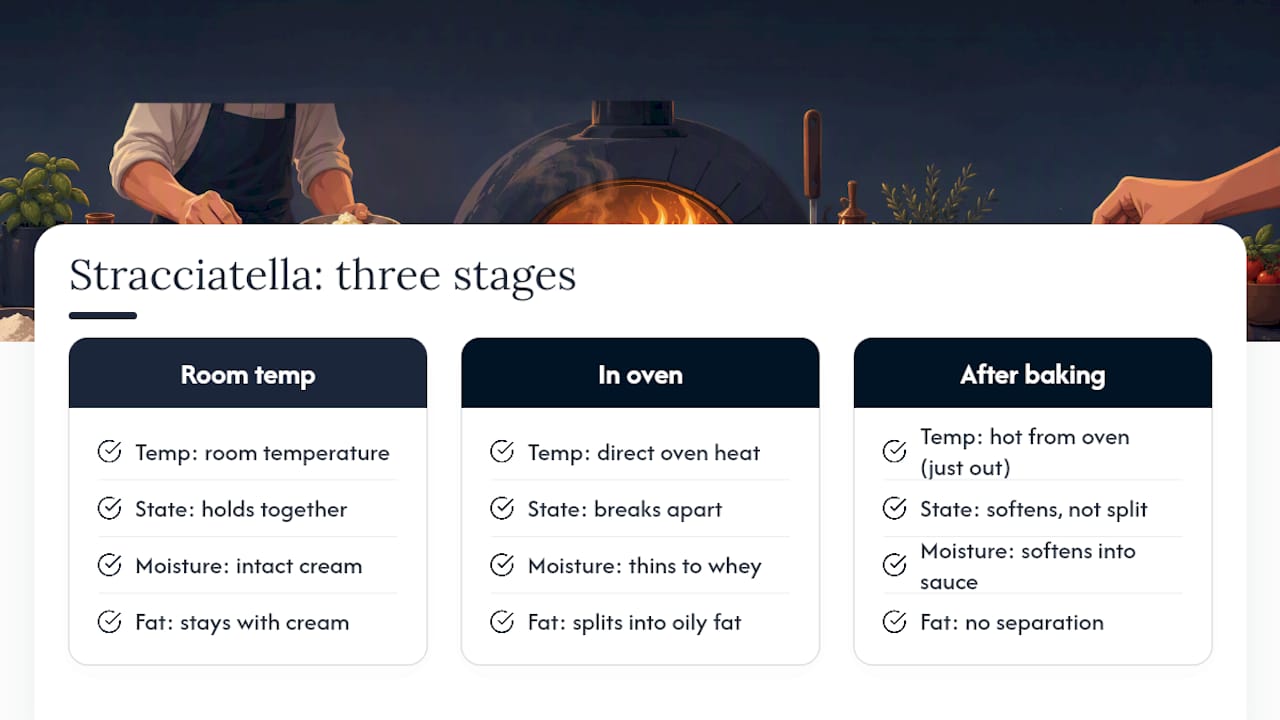
Timing that works: let the pizza rest on a wire rack for 30 to 60 seconds after baking. That short pause lets the crust firm up slightly so the cheese doesn’t slide off, while the pizza stays hot enough to soften the stracciatella into the sauce underneath.
Portioning: for a 12 inch pizza, 2 to 3 tablespoons per pizza (roughly 50 to 100 grams) is a workable range, depending on how rich you want the finish.
Quick don’ts: don’t melt it under a broiler, and don’t overload the center, since a heavy pool of cream in the middle is the fastest route to a soggy slice.
Three Stracciatella Pizza Recipes Worth Trying
Stracciatella works across a wider range of pizza styles than most people expect, from a straight Margherita to something built around cured meat or a sweet-savory pairing. Here are three templates worth building a pizza night around.
-
Margherita with stracciatella. Spread crushed tomatoes thin, tear fresh mozzarella over the top before baking so it melts properly, then bake until blistered. Once it rests, spoon on stracciatella, drizzle olive oil, and scatter torn basil. This is the classic post-bake finish most professional kitchens default to.
-
Pancetta or prosciutto with chili oil. If using pancetta, lay it on before baking so the fat renders and crisps at the edges. If using prosciutto, add it after baking instead, since it’s already cured and will just turn leathery under heat. Either way, finish with stracciatella and a light hit of chili oil for a sweet heat that cuts through the richness. Check our prosciutto pizza guide for exact timing on cured meats.
-
Chorizo and hot honey, or beet and pistachio. For the spicy-sweet route, bake sliced chorizo directly on the pie so it crisps, then finish with stracciatella and a drizzle of hot honey once the pizza is out of the oven. For something earthier, roasted beet slices go on before baking and crushed pistachios go on after, alongside the stracciatella, so the nuts stay crunchy instead of toasting into bitterness.
How Do You Stop Stracciatella Pizza From Getting Soggy?
Most sogginess complaints trace back to one of two problems: too much moisture in the cheese, or not enough heat in the oven. Fix both and the rest takes care of itself.
- Drain stracciatella briefly in a fine sieve before using it if the tub looks watery, spooning off any pooled whey rather than dumping it straight onto the pizza.
- Use the hottest setting your oven allows, ideally with a pizza stone or steel preheated for at least 45 minutes, since a cooler oven means a longer bake and more moisture soaking into the crust.
- Always rest the pizza on a wire rack, never a plate or cutting board, so steam escapes from underneath instead of condensing back into the crust.
- If you’re making stracciatella from scratch, drain the mozzarella curd thoroughly and let the finished mixture rest refrigerated for around 12 hours so the strands absorb the cream evenly before it hits the pizza.
Pro Tip: If your stracciatella arrives in liquid that looks more like milk than cream, that’s a sign it’s been sitting too long. Fresh stracciatella should look glossy and thick, not thin and watery.
Burrata and mascarpone both work as substitutes in a pinch. Burrata gives a similar creaminess once you cut it open and spoon out the center, while mascarpone is thicker and less tangy, so expect a milder, denser finish rather than a true stracciatella texture.
A Margherita Pizza With Stracciatella, Start to Finish
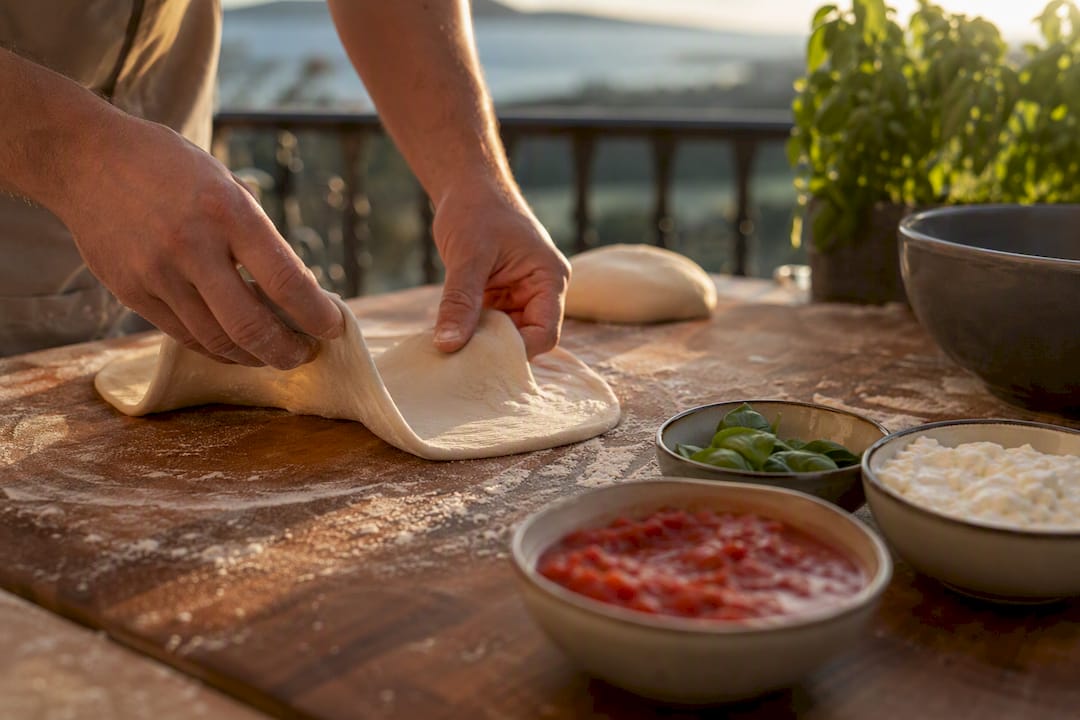
This is the template worth memorizing, since it works with almost any dough and scales up for a group easily.
Ingredients: one pizza dough ball, crushed tomatoes, fresh mozzarella (torn), some stracciatella, extra virgin olive oil, fresh basil, and salt to taste.
- Preheat your oven to its highest setting, ideally 450 to 550°F, with a pizza stone or steel inside for at least 45 minutes.
- Shape the dough into a 12 inch round on a floured peel or inverted baking sheet.
- Spread crushed tomatoes thin, leaving a border for the crust, and season lightly.
- Scatter torn mozzarella evenly, avoiding the center where sogginess tends to pool.
- Slide the pizza onto the hot stone and bake until the crust is blistered and charred on the edges.
- Rest on a wire rack for 30 to 60 seconds, then spoon on stracciatella, drizzle olive oil, and top with fresh basil.
Equipment checklist: a stone or steel, a peel or inverted tray, and a wire rack for resting. If your bake is coming out pale or the crust feels chewy rather than crisp, your oven likely isn’t hot enough, and shortening the bake time won’t fix that the way raising the temperature will.
What I’ve Learned About Timing Stracciatella Right
Most of the mistakes I see with stracciatella come from treating it like a regular pizza cheese instead of a finishing touch. It’s tempting to scatter it on before the bake because that’s how mozzarella works, but stracciatella isn’t built to survive an oven. The cream separates, the texture turns oily, and you end up with something that looks nothing like the dollop of cool cheese you paid for.
What surprises people most is how forgiving the post-bake method is. You can’t really overdo the resting time within reason, and a slightly cooler pizza just means the stracciatella holds its shape a bit longer instead of melting into the sauce. Buy it fresh, use it within a few days, and don’t be afraid to experiment with pairings beyond basil and tomato. Beets, pistachios, and hot honey all work because they play off the cheese’s richness rather than fighting it.
— Michael
Get the Right Ingredients for Stracciatella Pizza Night
Getting the post-bake technique right starts with a crust that can actually hold up to a hot oven and a cool, creamy topping without going limp underneath. Doughdorks makes that part easy with 48hr Neapolitan pizza dough fermented for a full two days, so it blisters properly at high heat instead of turning gummy in the center.

If shaping dough isn’t your thing, the pre-cooked Neapolitan pizza bases get you to the topping stage in minutes, and pairing either option with the Latteria Sorrentina burrata gives you a stracciatella-style finish if you can’t source it fresh locally. Everything ships across the UK, checkout supports Apple Pay, and the full pizza toppings collection covers the cured meats and extras from the recipes above. Order the dough, pick your toppings, and your next pizza night is sorted.
Where This Guide Got Its Facts
- Bon Appétit’s tomato and stracciatella pizza recipe for post-bake technique.
- StarChefs’ stracciatella pizza recipe by David Foulquier for professional bake timing.
- The Washington Post’s homemade stracciatella recipe for DIY draining and storage guidance.
Sources
- Tomato and Stracciatella Pizzas — Bon Appétit
- Stracciatella Pizza — StarChefs (David Foulquier)
- Homemade Stracciatella Recipe — The Washington Post
Recommended
- Prosciutto on Pizza: Easy Recipes and Tips for Home Cooks
- Provolone on Pizza: How to Use It for Better Browning
- How to Par Bake Pizza Dough for a Crispier Crust
- The Right Pizza Toppings Order for a Crispy, Flavorful Pie
PIZZA NIGHT, SORTED
Build the pizza with proper Italian ingredients
Shop Italian toppings, then add 48-hour fermented dough balls from Dorset for a complete pizza night.
-
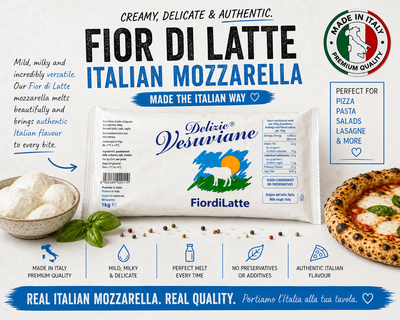 Fior di Latte Mozzarella for Pizza – 1kg
£12.59
Fior di Latte Mozzarella for Pizza – 1kg
£12.59
-
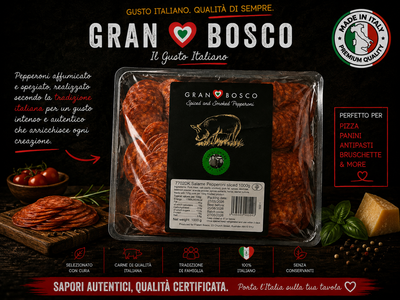 Gran Bosco, Smoked Sliced Pepperoni – 1kg
£18
Gran Bosco, Smoked Sliced Pepperoni – 1kg
£18
-
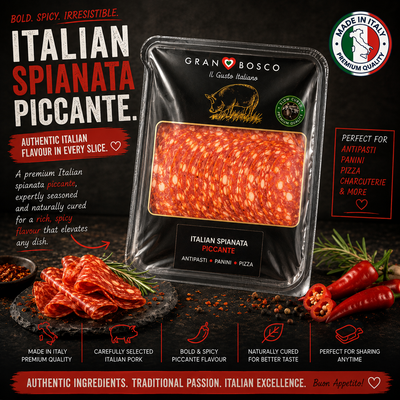 Gran Bosco - Italian Spianata Piccante 250g
£8.10
Gran Bosco - Italian Spianata Piccante 250g
£8.10
Handmade in Dorset • Free UK delivery over £50 • Free proofing pot with every dough ball