Gorgonzola on Pizza: Recipes and Pairing Ideas
Discover how to enhance your pizza with Gorgonzola by using it as a flavor accent. Explore delicious recipes and pairing ideas now!
Gorgonzola is genuinely excellent on pizza, but only when you treat it as a flavor accent rather than the main cheese. That single approach covers most of what makes a blue cheese pizza work.
Three things to lock in before you start: pick dolce over piccante for a milder, creamier result; layer mozzarella underneath so the dough stays dry and the gorgonzola doesn’t scorch; and lean into the sweet-salty contrast with some fruit, nut, or cured meat. Neapolitan-style pizza dough, with its thin, airy crust, is the ideal canvas because it doesn’t compete with the cheese’s intensity.
Pro Tip: Gorgonzola piccante can overpower a whole pie. If that’s all you have, use half the amount you’d use of dolce and blend it with a spoonful of ricotta to soften the bite.
Key Takeaways
Gorgonzola dolce is the right default for pizza: crumble 2–3 oz on top of a mozzarella base in the final 1–2 minutes of a 500°F bake, and pair it with something sweet for a result that consistently outperforms a plain margherita.
| Point | Details |
|---|---|
| Choose dolce as your default | Gorgonzola dolce is creamy and mild; use 2–3 oz per pizza, piccante sparingly at 1 oz. |
| Layer mozzarella underneath | Mozzarella acts as a moisture barrier and heat buffer, preventing soggy crust and burnt cheese. |
| Add gorgonzola in the last 2 minutes | Late addition keeps the cheese creamy and prevents the blue veins from turning bitter or acrid. |
| Lead with sweet-salty pairings | Pear, fig, honey, or prosciutto balance gorgonzola’s sharpness and make the pie crowd-pleasing. |
| Doughdorks for dough and toppings | The 48-hour Neapolitan dough and curated toppings give you a reliable, restaurant-quality base. |
Table of Contents
- A complete Gorgonzola pizza recipe you can make tonight
- What to buy and why: cheeses, dough, and add-ins
- How to assemble and bake a Gorgonzola pizza step by step
- Common problems and quick fixes
- Five topping combos that work best with gorgonzola
- Gorgonzola dolce vs piccante: which one should you buy?
- Oven temperatures and timing for every home setup
- How to store and reheat leftover Gorgonzola pizza
- Why gorgonzola keeps winning on my pizza nights
- Get the right dough and toppings from Doughdorks
- Sources
A complete Gorgonzola pizza recipe you can make tonight
Yield: 1 pizza (serves 2) | Prep: 15 minutes | Cook: 10–12 minutes | Oven: 450–500°F
Ingredients
- 1 dough ball (about 250g), stretched to a 10–12 inch round
- low-moisture mozzarella, torn or sliced
- Gorgonzola dolce, crumbled
- 1 small ripe pear, thinly sliced (or 3–4 fresh figs, halved)
- 2 oz prosciutto, torn into strips
- 2 tablespoons toasted walnuts, roughly chopped
- 1 tablespoon extra virgin olive oil
- Flaky salt and black pepper
- 1 tablespoon honey, to finish
Steps
- Place a pizza stone or steel on the top rack and preheat your oven to 500°F for at least 45 minutes.
- Stretch the dough on a lightly floured surface and transfer it to a floured pizza peel or parchment paper.
- Brush the crust edge with olive oil, then lay down the mozzarella, leaving a 1-inch border.
- Arrange the pear slices over the mozzarella.
- Slide the pizza onto the hot stone and bake for 8–10 minutes, until the crust is golden and the mozzarella is bubbling.
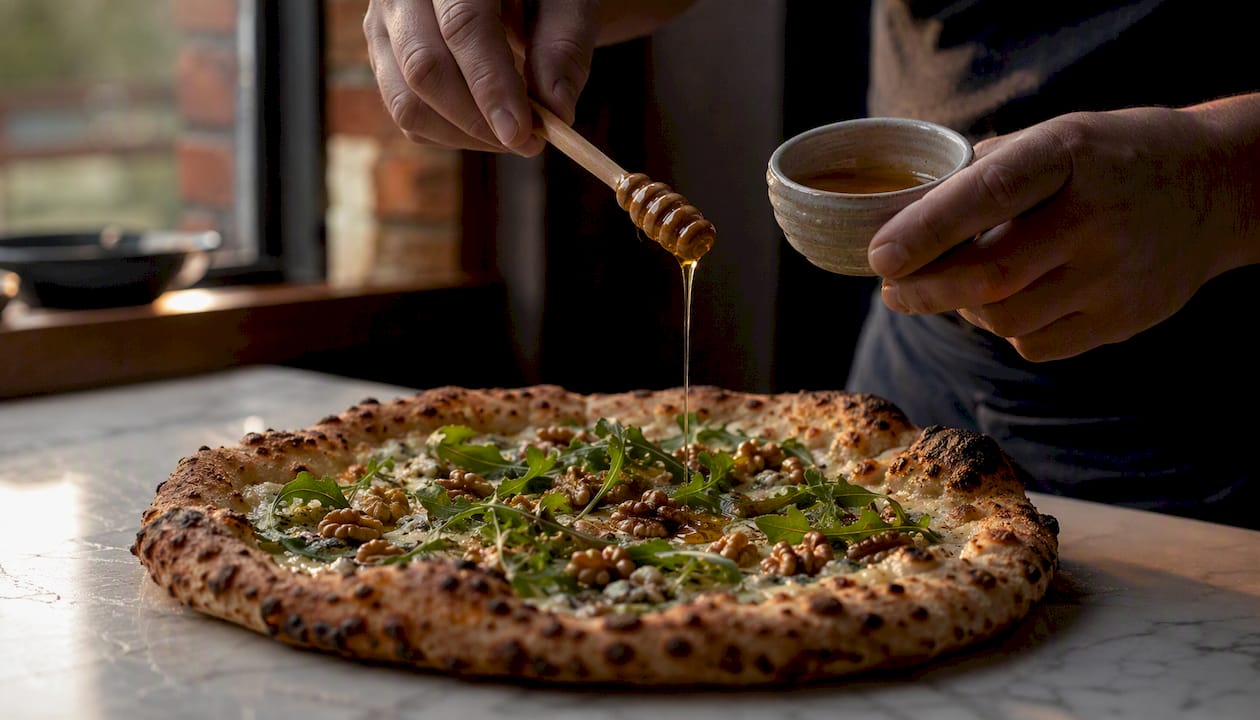
- Pull the pizza out, scatter the crumbled Gorgonzola dolce and walnuts across the top, then return it to the oven for 1–2 more minutes.
- Remove, drape the prosciutto over the hot pizza, drizzle with honey, and serve immediately.
Note on timing: Adding gorgonzola in the final 1–2 minutes, rather than from the start, keeps it creamy and prevents the blue veins from turning bitter. Allrecipes’ tested caramelized onion and gorgonzola pizza uses a 425°F bake for 10–12 minutes as a reliable home-oven benchmark when the stone is less aggressively preheated.
What to buy and why: cheeses, dough, and add-ins
The base cheese
Low-moisture mozzarella is the right call here. It melts evenly, releases minimal water, and creates a neutral, creamy layer that lets gorgonzola’s sharpness read as a highlight rather than a wall of flavor. Fresh buffalo mozzarella is too wet for this application; it will puddle and dilute everything. For guidance on picking the right variety, the mozzarella for pizza guide at Doughdorks breaks down exactly how each type behaves under heat.
Gorgonzola dolce vs piccante at the store
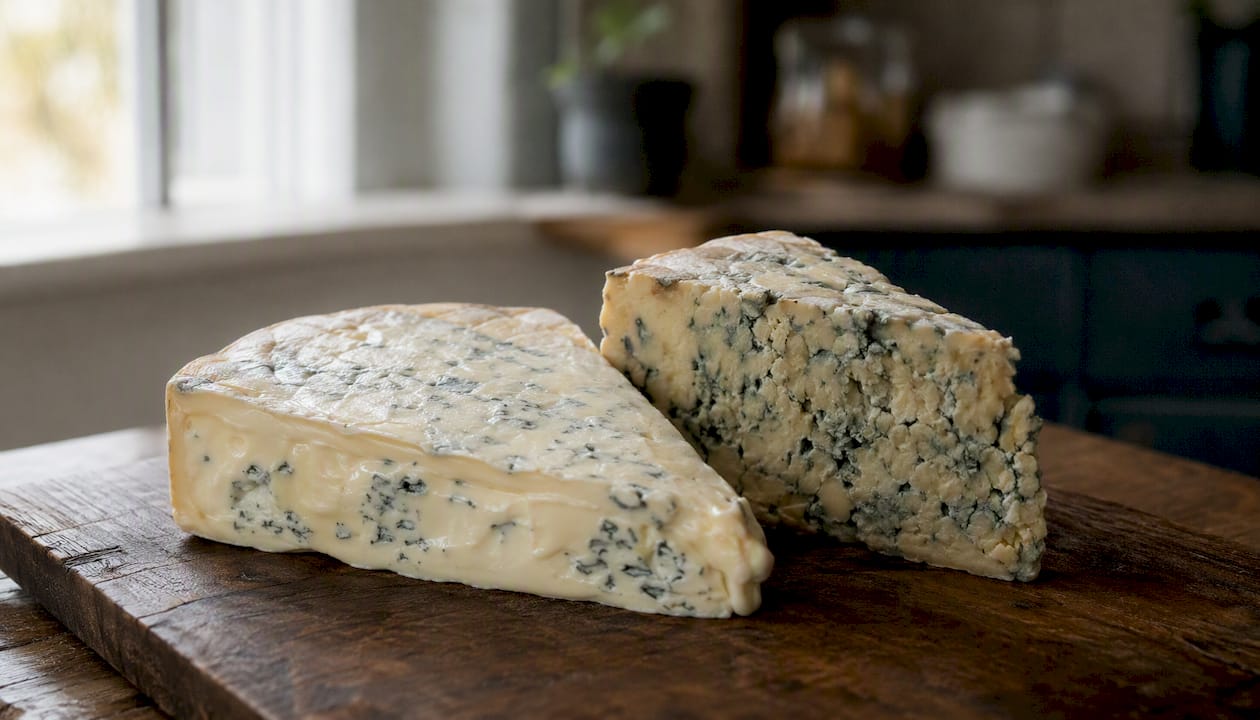
Dolce comes in a softer, almost spreadable wedge with a pale ivory interior and very few blue veins. It smells buttery and mild. Piccante is firmer, more crumbly, and noticeably sharper, with a stronger ammonia note. For a gorgonzola pizza recipe aimed at a crowd, dolce is the default. Buy about 2–3 oz per pizza; a little goes a long way. Culture: the word on cheese recommends placing gorgonzola on top of a milder base cheese so it doesn’t burn and the mozzarella acts as a moisture barrier underneath.
Dough
A high-hydration dough made with Italian 00 flour gives you the thin, blistered crust that holds up under a moist topping like gorgonzola without turning soggy. All-purpose flour works in a pinch but produces a denser, chewier result. If you’re not making dough from scratch, a 48-hour fermented ball is worth the upgrade.
Add-ins worth buying
- Fruit: Ripe pear or fresh figs add natural sweetness that cuts the cheese’s sharpness.
- Cured meat: Prosciutto di Parma or speck, added after the bake, stays silky rather than turning chewy.
- Nuts: Walnuts are the classic match; toast them first to deepen the flavor.
- Aromatics: Caramelized onions, fresh thyme, or rosemary all work well underneath the gorgonzola layer.
Pro Tip: Store gorgonzola wrapped in wax paper inside a zip-lock bag in the coldest part of your fridge. Chill it for 20 minutes before crumbling — cold dolce holds its shape better and distributes more evenly across the pizza.
How to assemble and bake a Gorgonzola pizza step by step
Preheat properly
A pizza stone or steel needs a full 45–60 minutes at 500°F to store enough heat for a crisp undercarriage. Rack position matters: top third of the oven for a stone, middle for a steel. Skipping this step is the single most common reason home pizzas come out pale and soft.
The layering rule
Cheese specialists consistently recommend building the pizza in this order: mozzarella first, aromatics and fruit second, gorgonzola last. The mozzarella acts as a heat buffer, protecting the dough from the moisture gorgonzola releases and shielding the blue veins from direct oven heat. If you put gorgonzola down first, it scorches before the crust is done.
Numbered bake steps
- Preheat stone/steel at 500°F for 45–60 minutes.
- Stretch dough, transfer to a peel dusted with semolina or lined with parchment.
- Brush crust edge with olive oil.
- Spread mozzarella across the base, leaving a 1-inch border.
- Add aromatics (caramelized onions, pear slices, or rosemary) over the mozzarella.
- Slide onto the hot stone; bake 8–10 minutes until crust is golden and mozzarella bubbles.
- Pull out, crumble gorgonzola across the top, return for 1–2 minutes.
- Finish with prosciutto, honey, or fresh herbs off the heat.
Thin-crust vs Neapolitan-style
A thin, cracker-style crust bakes faster (6–8 minutes at 500°F) and needs even less gorgonzola — the flavors concentrate quickly. A thicker Neapolitan-style crust benefits from the slightly longer bake at 425–450°F, giving the interior time to cook through before the cheese goes on. For grilling, preheat one side to high, place the dough directly on the grates, grill 2–3 minutes, flip, add toppings, and close the lid for 3–4 more minutes. The smoke adds a dimension that works surprisingly well with blue cheese.
Common problems and quick fixes
- Soggy center: Almost always a moisture problem. Pat mozzarella dry before using, don’t overload with fruit, and make sure the stone is fully preheated. A pre-bake of the bare dough for 3 minutes before adding toppings also helps.
- Cheese too sharp: Reduce the gorgonzola by half and add a tablespoon of mascarpone or ricotta alongside it. A honey drizzle at the end softens the perception of sharpness without changing the cheese itself.
- Burnt or bitter blue cheese: Gorgonzola that goes in at the start of a high-heat bake will brown and turn acrid. If it’s already happened, scrape off the darkest bits and add a fresh crumble of dolce on top before serving.
- Cheese sliding off: Dolce is soft enough to run when it gets hot. Keep crumbles small and scattered rather than placed in large chunks, and don’t overdo the quantity.
Pro Tip: Use parchment paper on the stone for the first few minutes, then slide it out from under the pizza halfway through the bake. You get the easy launch of parchment and the direct-heat crispness of stone contact. Food52’s blue cheese pizza notes that parchment reduces smoking and simplifies cleanup considerably.
Five topping combos that work best with gorgonzola
These are ranked by how reliably they land with a mixed group of eaters, starting with the most crowd-pleasing.
-
Pear, prosciutto, and walnut with honey. The pear’s sweetness and the prosciutto’s salt frame the gorgonzola perfectly. Toasted walnuts add crunch; honey ties it together. This is the combo to try first.
-
Fig, prosciutto, and balsamic drizzle. Fresh or dried figs bring a jammy sweetness that matches gorgonzola’s funk better than almost anything else. The fig and prosciutto combination from Unpeeled Journal finishes with honey, but a balsamic reduction works just as well and adds a little acidity.
-
Caramelized onion and fresh thyme. Slow-cooked onions (20–30 minutes over low heat) develop a sweetness that does the same job as fruit. Scatter fresh thyme leaves over the finished pie. Simple, deeply savory.
-
Fingerling potato, radicchio, and rosemary. Thinly sliced potatoes pre-cooked until just tender, bitter radicchio, and woody rosemary make a hearty, wintry pie. Epicurious’s version bakes 8–12 minutes until the cheese melts and the crust turns golden.
-
Balsamic chicken and arugula. Cooked chicken tossed in balsamic reduction, added before the bake, then finished with fresh arugula and a few gorgonzola crumbles. The vinegar in the balsamic cuts the cheese’s richness cleanly. A Midwest Living balsamic chicken pizza demonstrates exactly this balance.
Finishing ideas
A honey drizzle, balsamic reduction, lemon zest, or a handful of fresh arugula all work as finishes. Toasted walnuts added at the very end stay crunchier than ones baked on. For beverage pairings, a medium-bodied red like Barbera d’Asti or a dry Riesling both handle blue cheese well; the slight acidity in each cuts through the fat without fighting the cheese.
Gorgonzola dolce vs piccante: which one should you buy?
Ciao Italia describes Gorgonzola dolce as creamy and spreadable, recommending it alongside intense flavors like sun-dried tomatoes. That spreadability is exactly what makes it the better pizza cheese: it distributes evenly, melts without breaking, and pairs naturally with sweet toppings. Piccante is aged longer, firmer, and significantly sharper. It’s worth using when you want a stronger blue note, but it needs to be used sparingly and ideally blended with a milder cheese.
For a broader look at how gorgonzola compares to other pizza cheeses, the best cheeses for pizza guide at Doughdorks covers the full range.
| Gorgonzola Dolce | Gorgonzola Piccante | |
|---|---|---|
| Texture | Soft, creamy, spreadable | Firm, crumbly |
| Intensity | Mild, buttery | Sharp, pungent |
| Best pairings | Pear, fig, honey, prosciutto | Walnuts, radicchio, balsamic |
| Amount per pizza | 2–3 oz | 1 oz |
| Usage tip | Crumble or dot on top in last 2 min | Blend with ricotta to soften |
Substitutes when gorgonzola isn’t available
Danish-style blue cheese is the most widely available substitute in the US and behaves similarly to piccante. Maytag Blue, made in Iowa, is milder and creamier than Danish blue, making it a closer stand-in for dolce. A local artisan blue from a farmers market often works well too. Whichever you use, the layering and timing rules stay the same.
Oven temperatures and timing for every home setup
| Method | Temperature | Cook Time | Expected Result |
|---|---|---|---|
| Pizza stone (home oven) | 500°F | 8–10 min | Crisp, charred spots, airy crust |
| Pizza steel (home oven) | 500°F | 6–8 min | Very crisp base, fast bake |
| Conventional oven (no stone) | 450°F | 10–12 min | Softer base, even bake |
| Grill (direct high heat) | 500°F | 5–7 min | Smoky, charred underside |
| Lower-temp home oven | 425°F | 10–12 min | Reliable, less char |
Preheat your stone or steel for at least 45 minutes before the pizza goes in. If the cheese browns faster than the crust, tent the pizza loosely with foil for the last 2 minutes. Rotate the pizza 180 degrees halfway through the bake if your oven has hot spots. Using parchment paper for the launch reduces smoking and makes the transfer easier, especially with a soft, sticky dough.
How to store and reheat leftover Gorgonzola pizza
- Refrigerate within two hours of baking. Wrap slices in foil or store in an airtight container; they keep well for up to 3 days.
- Skillet reheat (best): Place a slice in a cold non-stick skillet, cover with a lid, and heat over medium-low for 4–5 minutes. The base crisps up and the cheese melts without drying out.
- Oven reheat: 375°F for 8–10 minutes on a rack or baking sheet. Better than a microwave, though the crust won’t be quite as crisp as the skillet method.
- Microwave (last resort): 30–45 seconds on medium power. The crust softens, but it’s fine if you’re in a hurry.
- Freezing: Wrap individual slices tightly in plastic wrap, then foil. Freeze for up to 1 month. Reheat from frozen in a 400°F oven for 12–15 minutes.
Reheat to piping hot throughout before eating.
Why gorgonzola keeps winning on my pizza nights
Most blue cheese pizza recipes treat gorgonzola as a novelty. I think that undersells it. The cheese has a genuine structural role: it provides the salt, the funk, and the fat that a plain margherita can’t deliver, and when you pair it with something sweet, the contrast is more satisfying than almost any other topping combination I’ve tried.
The pear, prosciutto, and walnut combination is the one I come back to most. The pear softens the sharpness, the prosciutto adds a savory thread, and the walnuts give the whole thing a texture that keeps each bite interesting. A drizzle of honey at the end isn’t optional for me. It’s the detail that makes the pie feel finished.
Get the right dough and toppings from Doughdorks
The cheese and the toppings matter, but the dough is what holds everything together. Doughdorks’ 48-hour Neapolitan pizza dough is made with Italian 00 flour, fresh yeast, and extra virgin olive oil, fermented for 48 hours for a crust that’s light, blistered, and strong enough to carry a generous gorgonzola topping without going soggy. If you want to skip the stretch and go straight to toppings, the pre-cooked Neapolitan bases are a fast alternative. Browse the full pizza toppings collection for artisan cheeses, cured meats, and everything else the recipe calls for.

Order online and have everything delivered to your door. Start with the 48-hour dough and the gorgonzola pear combo from this guide.
Sources
- Balsamic Caramelized Onion and Blue Cheese Pizza
- Caramelized Onion and Gorgonzola Pizza (Allrecipes)
- Gorgonzola Dolce Pizza with Caramelized Onions & Chives | culture: the word on cheese
- Gorgonzola Dolce, Fingerling Potatoes, Radicchio, and Rosemary Recipe | Epicurious
- Gorgonzola and Sun-Dried Tomato Pizza / Pizza con Gorgonzola e Pomodori Secchi | Ciao Italia
Recommended
- Best Cheeses for Pizza: A Home Cook’s Guide
- Prosciutto on Pizza: Easy Recipes and Tips for Home Cooks
- The Best Mozzarella for Pizza: A Home Cook’s Guide
- Anchovies on Pizza: What Home Cooks Need to Know
READY-MADE • FROZEN • UK DELIVERY
Skip the mixing. Keep proper dough in your freezer.
48-hour fermented, individually proofed in their own pots and snap-frozen for freshness. Packed with insulation for UK delivery; defrost, stretch, top and bake.
-
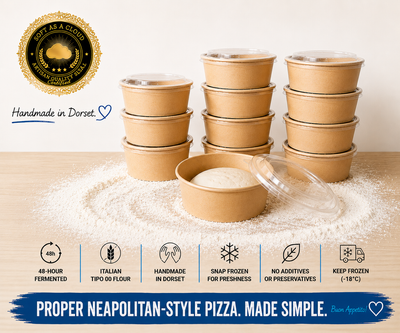 48-Hour Neapolitan-Style Pizza Dough Balls – Box of 12
£22.88
48-Hour Neapolitan-Style Pizza Dough Balls – Box of 12
£22.88
-
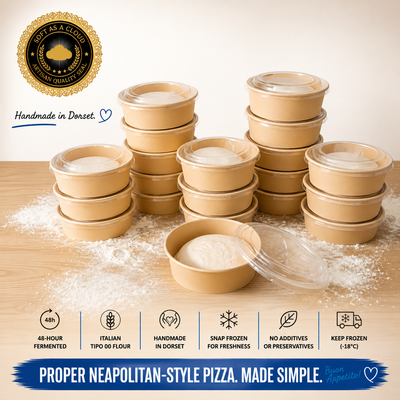 48-Hour Neapolitan-Style Pizza Dough Balls – Box of 20
£32.30
48-Hour Neapolitan-Style Pizza Dough Balls – Box of 20
£32.30
-
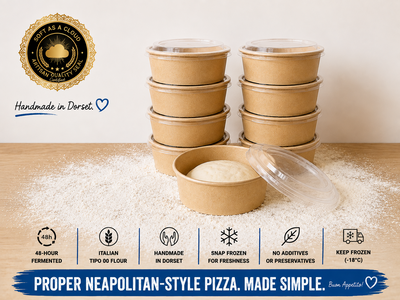 48-Hour Neapolitan-Style Pizza Dough Balls – Box of 8
£18
48-Hour Neapolitan-Style Pizza Dough Balls – Box of 8
£18
Handmade in Dorset • Free UK delivery on £50+ • Free proofing pot with every dough ball