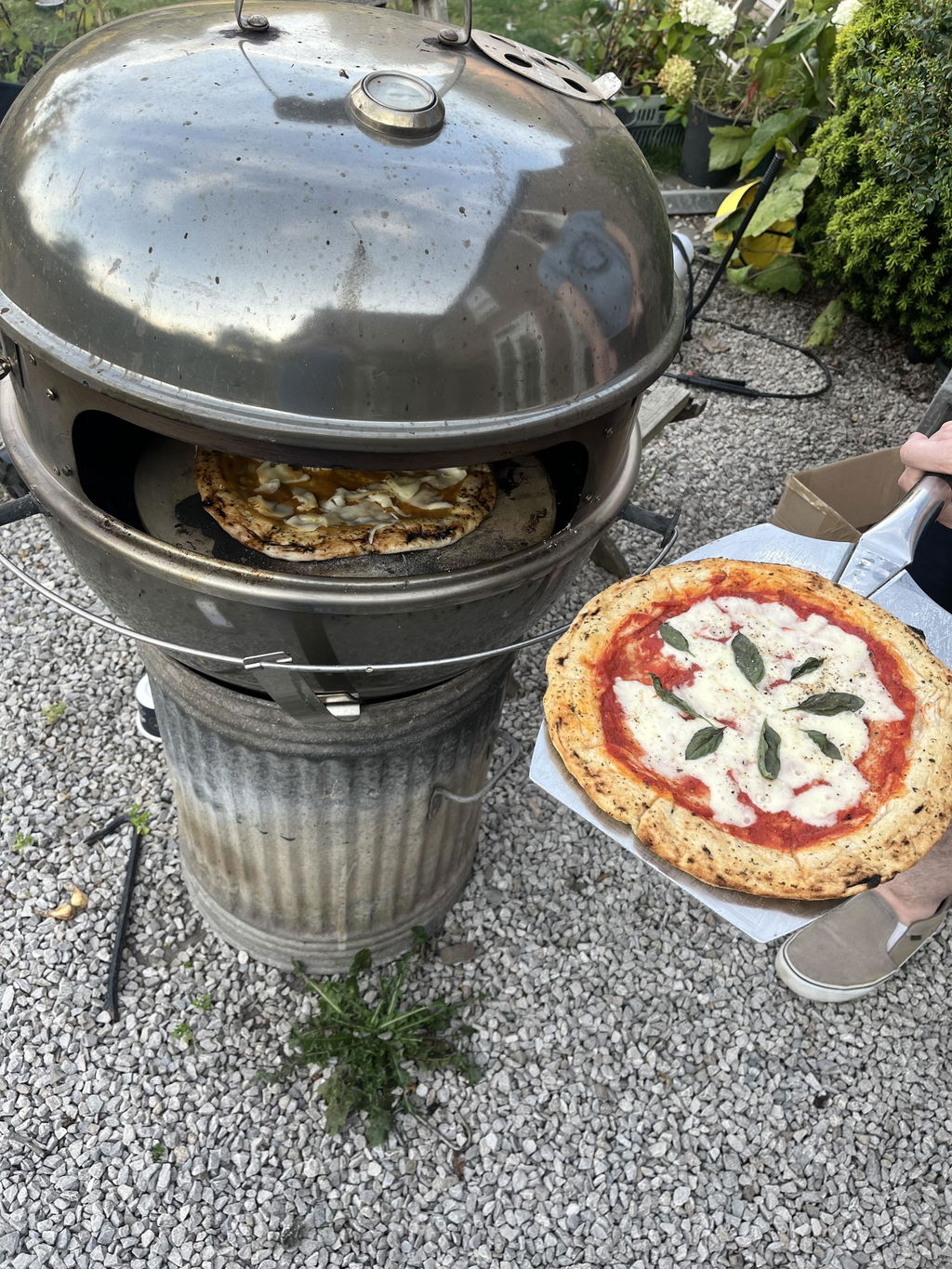
Anchovies on Pizza: What Home Cooks Need to Know
Discover why anchovies on pizza are a game changer! Learn how to enhance flavor without the fishy taste and impress your guests.
Anchovies absolutely belong on pizza — when you buy quality fillets and use them with a light hand, they don’t taste fishy at all. They taste like more pizza.
- Salt and umami: Anchovies are a concentrated source of glutamates that amplify tomato and cheese rather than announce themselves as fish.
- Texture options: Bake them on for a melt-into-the-sauce effect, or lay them on after baking for a briny, distinct bite.
- Practical takeaway: Buy oil-packed fillets, use a moderate number per 12-inch pizza, and cut added salt in your dough and sauce to compensate.
Table of Contents
- Why anchovies on pizza actually work
- Which type of anchovy should you buy for pizza?
- Why food experts consistently recommend oil-packed fillets
- Five ways to use anchovies on pizza (and when to add them)
- Two quick anchovy pizza recipes to try at home
- Where to buy anchovies, how to store them, and quick prep tips
- How to handle “anchovy fear” and win over skeptics
- Key Takeaways
- The case for giving anchovies a real chance
- Ready to make anchovy pizza at home? Doughdorks has the base covered
- Useful sources
Why anchovies on pizza actually work
Anchovies taste briny, savory, and intensely concentrated — not “fishy” in the way a piece of grilled fish is. That distinction matters because the flavor mechanism is different. Cured anchovies are loaded with glutamates, the same compounds that make Parmesan and soy sauce so satisfying. When used sparingly, they don’t dominate a pizza; they make everything else on it taste more vivid.
The classic proof is Pizza Napoli, a traditional Neapolitan pie that pairs anchovies with tomato, oregano, and sometimes capers or olives. The combination works because the briny fillets balance tomato acidity and cut through the richness of mozzarella. It’s a restrained build, and that restraint is the point.
For pairing, anchovies work best with fresh mozzarella, burrata, or aged provolone. On the sauce side, a simple San Marzano tomato base or a white olive oil base both work well. Capers, olives, and fresh chili are natural companions; heavy meat toppings tend to compete rather than complement.
Which type of anchovy should you buy for pizza?
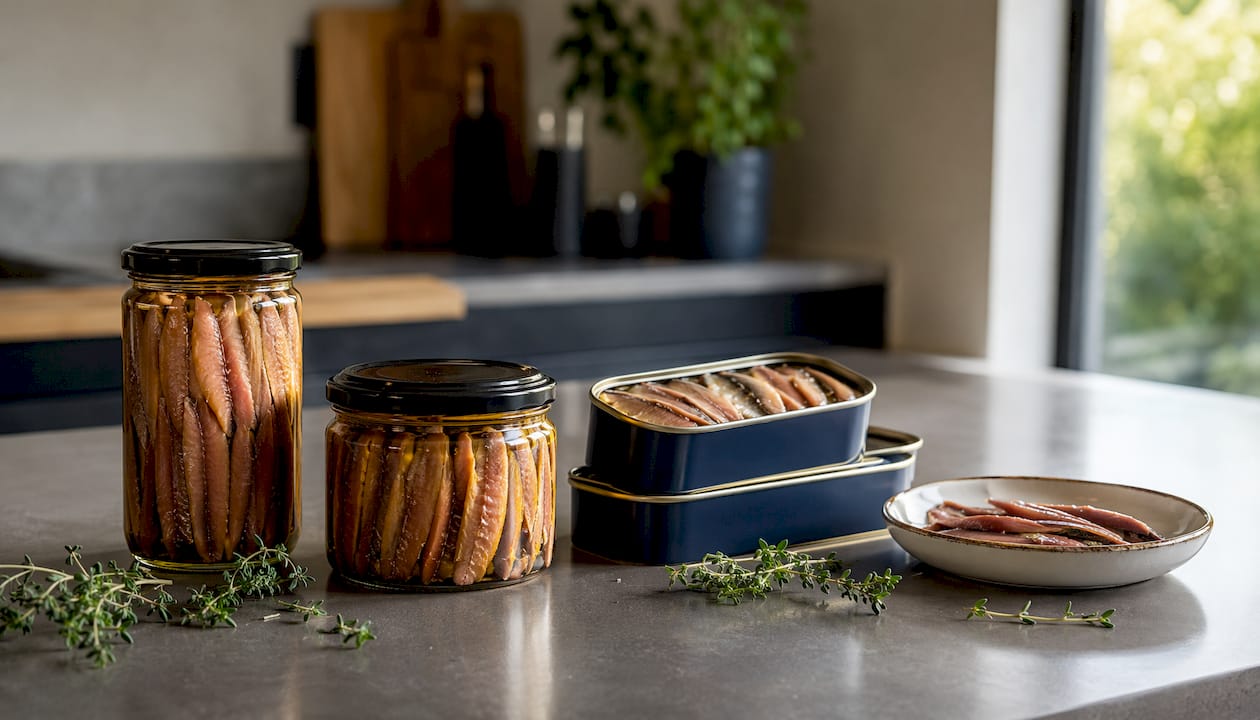
The form you choose has a bigger impact on the final result than most home cooks expect.
| Form | Flavor | Convenience | Best use |
|---|---|---|---|
| Oil-packed fillets (jar or tin) | Balanced, buttery, briny | High — ready to use | Baked-on, post-bake, or blended into sauce |
| Salt-packed whole anchovies | Deeper, more complex | Low — requires rinsing and filleting | Worth it for special builds; not beginner-friendly |
| White anchovies (boquerones) | Mild, vinegary, fresh | Medium | Post-bake garnish; not for baking |
| Anchovy paste or colatura | Concentrated, sharp | Very high | Blending into sauce; subtle background flavor |
Oil-packed fillets are the practical winner for most home cooks. Salt-packed anchovies can be extraordinary, but short-cured fillets in sunflower oil often taste metallic and harsh — that’s the product, not the ingredient.
What to look for when shopping:
- Origin: Cantabrian Sea anchovies (northern Spain) are widely regarded as the benchmark for quality.
- Curing time: Look for fillets matured at least 12 months; longer curing produces a rounder, less aggressive salt.
- Oil type: Extra virgin olive oil, not sunflower oil. The oil itself is usable in cooking.
- Packaging: Whole fillets, not broken pieces. Jar packaging lets you inspect before buying.
- Brands worth knowing: Ortiz, Don Bocarte, and Fishwife are consistently recommended by food editors at Bon Appétit and Serious Eats.
Pro Tip: Read the label for oil type before anything else. “Packed in olive oil” is the minimum bar; “extra virgin olive oil” is the signal you want. Sunflower oil is almost always a sign of a cheaper, shorter-cured product.
Why food experts consistently recommend oil-packed fillets
Testing and expert consensus land in the same place: oil-packed whole fillets are the best practical choice for home pizza. They require no prep beyond draining, they hold their shape during baking, and the olive oil they come in can go straight into the sauce or drizzle.
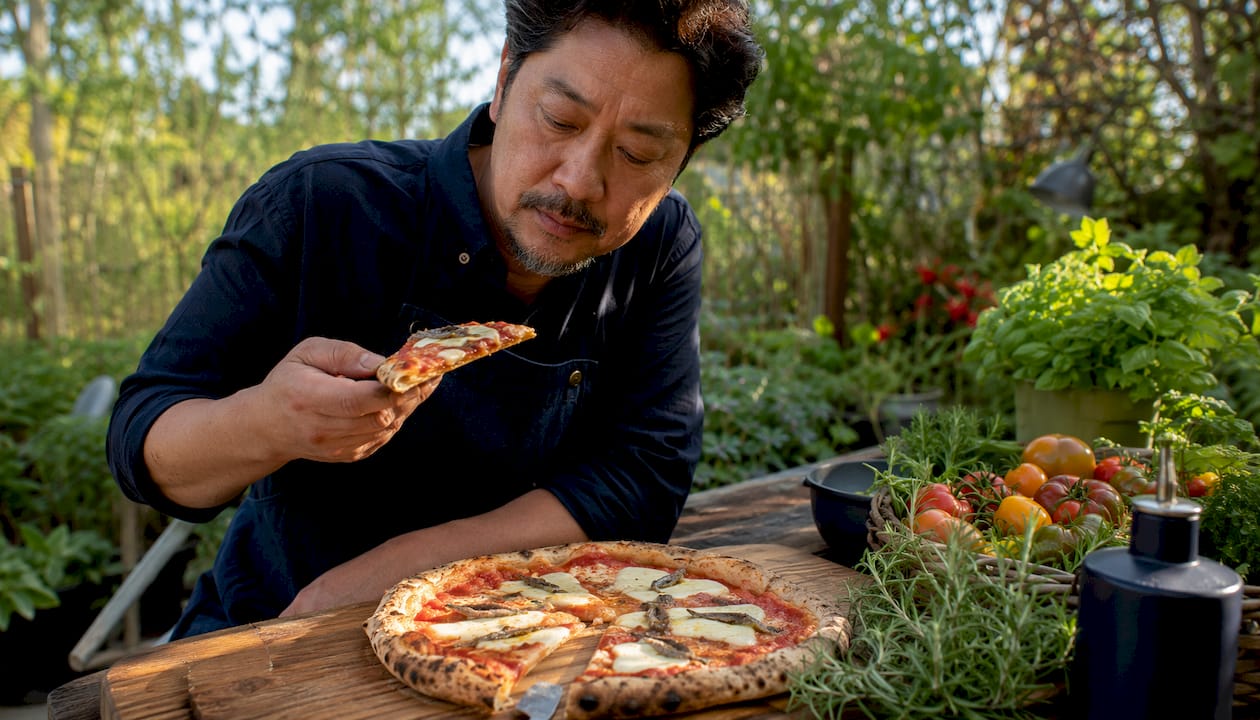
America’s Test Kitchen’s anchovy testing confirms that oil-packed whole fillets outperform paste and salt-packed options for texture and convenience in home cooking applications. Paste works as a background flavor booster but loses the textural contrast that makes a well-placed fillet so satisfying on a baked pizza.
Simple prep before use:
- Drain the fillets from the jar or tin.
- Pat gently with a paper towel to remove excess oil (prevents a greasy pizza).
- Break or cut into smaller pieces if you want even distribution, or leave whole for a bolder presentation.
- Reduce added salt in your dough and sauce — the fillets carry significant salt from curing.
Five ways to use anchovies on pizza (and when to add them)
There’s no single right method. The five approaches below give you a range from subtle to assertive, and each produces a genuinely different result.
-
Baked on from the start. Lay fillets directly on the sauce before adding cheese, then bake. They soften and melt into the sauce, distributing umami across every bite without a recognizable fish presence. Use 6–10 fillets on a 12-inch pizza. Best for skeptics who want flavor without visible fish.
-
Added after baking. Pull the pizza from the oven, then drape whole fillets over the hot surface. They warm through without cooking further, staying briny and distinct. Use a moderate number of fillets. This is the classic presentation for Pizza Napoli.
-
Blended into the tomato sauce. Mash 2–3 fillets into your sauce before spreading. The flavor disperses completely — no visible anchovy, just a noticeably deeper tomato base. A reliable skeptic-conversion technique that works even on people who claim to hate anchovies.
-
Fried or crisped. Heat a small amount of olive oil in a pan, add anchovy pieces, and let them sizzle for 60–90 seconds until lightly crisp. Scatter over the finished pizza. The texture becomes almost crouton-like, and the salt mellows slightly.
-
Anchovy butter or oil drizzle. Blend softened butter with 2–3 mashed fillets and a little lemon zest, then dot over a hot pizza straight from the oven. Alternatively, drizzle the anchovy-infused oil from the jar over the finished pie. Both methods add richness without the commitment of a full fillet.
Cook-time note: In a home oven at 475–500°F, bake-on anchovies need about 8–10 minutes. On a pizza stone or steel, that drops to 6–7 minutes. In an outdoor wood-fired oven running at 900°F, 90 seconds is enough — add post-bake fillets only, since bake-on anchovies will char before the crust is done.
Pro Tip: When using anchovies, cut the salt in your dough by about half and skip salting the sauce. One well-cured fillet contains enough sodium to season a full slice on its own.
Two quick anchovy pizza recipes to try at home
Pizza Napoli (the classic)
Ingredients (one 12-inch pizza):
- 1 ball of Neapolitan pizza dough, stretched to 12 inches
- 3 tablespoons San Marzano tomato sauce
- 3 oz fresh mozzarella, torn
- 8–10 oil-packed anchovy fillets
- 1 tablespoon capers, rinsed
- 1 teaspoon dried oregano
- Extra virgin olive oil, for finishing
Steps:
- Spread sauce over the stretched base, leaving a 1-inch border.
- Scatter mozzarella and oregano over the sauce.
- Bake at 500°F on a preheated stone or steel for 7–9 minutes until the crust is charred at the edges.
- Remove from the oven, lay anchovy fillets over the hot pizza, scatter capers, and finish with a drizzle of olive oil.
Pair with a crisp Italian white like Vermentino or a cold lager. The recommended number of fillets for this pizza is 6–10, delivering balanced flavor.
Puttanesca-style white pizza
Ingredients (one 12-inch pizza):
-
1 ball of pizza dough, stretched
-
2 tablespoons extra virgin olive oil (base, no tomato)
-
2 garlic cloves, thinly sliced
-
4 oz burrata, broken into pieces
-
6 oil-packed anchovy fillets, roughly chopped
-
2 tablespoons Kalamata olives, halved
-
1 tablespoon capers
-
Pinch of red pepper flakes
-
Fresh flat-leaf parsley to finish
Steps:
- Brush the base with olive oil and scatter garlic slices.
- Add burrata pieces, then distribute anchovies, olives, and capers evenly.
- Bake at 500°F for 7–8 minutes.
- Finish with red pepper flakes and parsley.
A natural match for a dry rosé or a Sicilian Nero d’Avola.
Per-pizza anchovy count: 6–10 fillets is the reliable range for a balanced result on a standard 28–32 cm pie.
Where to buy anchovies, how to store them, and quick prep tips
Where to buy: Specialty grocery stores, Italian delis, and reputable online retailers carry the quality brands worth using. For UK shoppers, check Italian delis, specialist food shops and online importers, and compare the origin and ingredients on the label. Avoid generic supermarket tins with no origin information.
| Storage situation | How long they keep |
|---|---|
| Unopened tin or jar (pantry) | Up to 2 years |
| Opened, submerged in oil, refrigerated | 2–3 months |
| Opened, transferred to airtight container with oil | Up to 3 months |
| Salt-packed, unopened (cool, dark place) | Up to 1 year |
| Salt-packed, opened and refrigerated | 2–3 months |
Desalting salt-packed anchovies: Rinse under cold water, then soak in cold water for 20–30 minutes. Taste as you go — you want to remove excess salt, not all of it. Pat dry before using.
Nutrition note: Anchovies are high in omega-3 fatty acids and vitamin B12, and because they’re small, low-on-the-food-chain fish, they tend to have a lower environmental footprint than larger seafood. The sodium is real, though — one fillet contains roughly 100–150 mg, so portion awareness matters.
Pro Tip: Never throw away the oil from a quality jar of anchovies. Use it to finish the pizza, dress a salad, or sauté garlic for pasta. It’s already seasoned and infused with flavor.
How to handle “anchovy fear” and win over skeptics
Most anchovy aversion comes from bad product or clumsy technique, not from the ingredient itself. Someone who tried a cheap, metallic fillet on a school cafeteria pizza twenty years ago has not actually tried anchovies done right.
Before/after approach:
- Subtle: Blend 2–3 fillets into the tomato sauce. No visible fish, no “anchovy pizza” announcement. Most people eating it will just think the pizza tastes unusually good.
- Bold: Post-bake whole fillets on a white pizza with burrata. This is for people who are already curious and want to taste the ingredient clearly.
Guest-serving tip: Offer a small anchovy-free section of the pizza alongside an anchovy section. Let skeptics try a bite of the anchovy side without committing to a full slice. Briefly explain that the fillets function as seasoning, not a fish course — that reframe alone changes how people approach the first bite.
Troubleshooting common complaints:
- “Too salty”: You used too many fillets, didn’t reduce salt elsewhere, or the anchovies were low-quality short-cured product. Cut to 5–6 fillets and check your sauce and dough salt levels.
- “Too fishy”: Almost always a product issue. Switch to Cantabrian-origin, long-cured fillets in extra virgin olive oil.
- “Weird texture”: Try baking them on rather than adding post-bake, or crisp them in oil first. The melt-in texture of baked-on anchovies surprises most skeptics.
- “I can see a whole fish on my pizza”: Use the blended-in-sauce method or chop fillets finely before baking.
Pro Tip: Never announce “there are anchovies in this” before someone takes a bite if your goal is conversion. Let them taste it first. The reaction is almost always positive — and then the reveal lands as a pleasant surprise rather than a hurdle.
Key Takeaways
Anchovies work on pizza because they function as a natural umami booster, not a fish topping — quality, quantity, and timing are what separate a great anchovy pizza from a bad one.
| Point | Details |
|---|---|
| Buy oil-packed fillets | Choose Cantabrian-origin fillets in extra virgin olive oil; avoid sunflower-oil-packed, short-cured brands. |
| Use 6–10 fillets per pizza | That count delivers balanced flavor on a 12-inch pie without tipping into salt-bomb territory. |
| Timing changes everything | Bake-on anchovies melt into umami; post-bake fillets stay briny and distinct — pick based on the effect you want. |
| Cut salt elsewhere | Reduce added salt in dough and sauce when using anchovies; the fillets carry enough from curing. |
| Start with Doughdorks dough | A proper Neapolitan base is the right canvas — try the 48-hour fermented dough and one of the two recipes above. |
The case for giving anchovies a real chance
Anchovies are probably the most misunderstood ingredient in the home cook’s pantry. The reputation they carry — divisive, fishy, an acquired taste — is almost entirely the fault of bad product and overcrowding on the pizza. A cheap tin of short-cured fillets dumped across a thick-crust slice is a different food from four well-placed Cantabrian anchovies on a blistered Neapolitan base. Treating them as the same thing is like judging all wine by a bad house pour.
What I find genuinely interesting about anchovies is how they operate below the threshold of recognition when used correctly. Blend them into a sauce and most people can’t identify what made the pizza taste so much better. That’s not a trick — it’s just how glutamates work. The same principle applies to Parmesan rinds in soup or a splash of fish sauce in a stir-fry. The ingredient disappears; the depth stays.
The practical advice here is simple: buy one jar of quality Cantabrian anchovies, try the Pizza Napoli recipe once with post-bake fillets, and judge from there. If the first attempt doesn’t convert you, try the blended-sauce method next. The ingredient rarely fails when the product is right.
Ready to make anchovy pizza at home? Doughdorks has the base covered
The recipes above are only as good as the dough underneath them. A proper Neapolitan base — thin, blistered, with that slight chew from a long ferment — is what makes anchovy flavor land the way it should. Doughdorks’ 48-hour fermented Neapolitan dough is made with Italian 00 flour, fresh yeast, and extra virgin olive oil, and it’s ready to stretch and top straight from delivery.

Short on time? The pre-cooked Neapolitan bases give you a restaurant-quality canvas in minutes — just add your anchovies, mozzarella, and sauce and finish under a hot broiler. Doughdorks also carries a curated range of pizza toppings including cheeses and sauces that pair naturally with anchovy builds. Pick your base, grab quality fillets, and the Pizza Napoli recipe above is a 15-minute project.
Useful sources
| Source | What it contributed |
|---|---|
| PMQ Pizza | Umami science behind anchovies and skeptic-conversion techniques |
| America’s Test Kitchen | Blind testing and expert consensus on oil-packed fillets |
| Bon Appétit | Brand-level taste testing; texture and flavor benchmarks |
| Serious Eats | Anchovy fillet testing and practical cooking applications |
| A Couple Cooks | Classic anchovy pizza recipe and nutrition/sustainability notes |
| Bacalalo | Curing time, oil type, and origin guidance for buying |
| Bacalalo (recipe) | Per-pizza fillet count guidelines |
| The Pizza Craft | Bake-on vs. post-bake timing and technique |
| Jamie Oliver | Anchovy and caper pizza topping recipe with marinade technique |
| Giadzy | Pizza Napoli recipe and traditional ingredient proportions |
Recommended
- 10 Home Pizza Oven Accessories That Matter - Dough Dorks
- Authentic Neapolitan Pizza Dough Balls - Ready Made Box of 8
- Authentic Pre-Cooked Neapolitan Pizza Bases pack of 4 | Dough Dorks
- Why 48 Hour Pizza Dough Benefits Matter - Dough Dorks
Article generated by BabyLoveGrowth
PIZZA NIGHT, SORTED
Build the pizza with proper Italian ingredients
Shop Italian toppings, then add 48-hour fermented dough balls from Dorset for a complete pizza night.
-
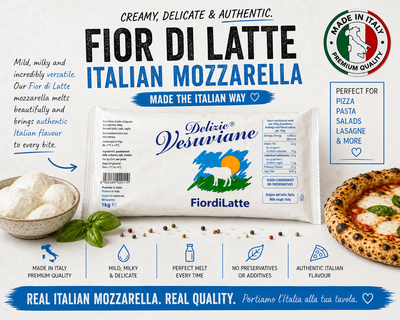 Fior di Latte Mozzarella for Pizza – 1kg
£12.59
Fior di Latte Mozzarella for Pizza – 1kg
£12.59
-
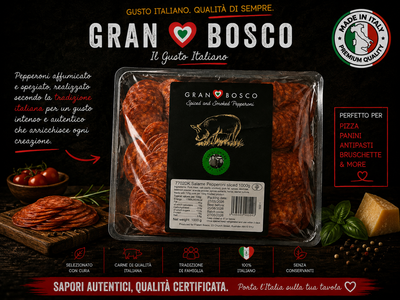 Gran Bosco, Smoked Sliced Pepperoni – 1kg
£18
Gran Bosco, Smoked Sliced Pepperoni – 1kg
£18
-
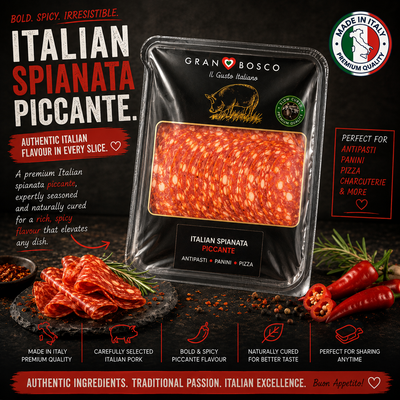 Gran Bosco - Italian Spianata Piccante 250g
£8.10
Gran Bosco - Italian Spianata Piccante 250g
£8.10
Handmade in Dorset • Free UK delivery over £50 • Free proofing pot with every dough ball