UK Home Cooks' 60 Second Semolina Fix for Pizza Sticking to the Peel
UK cooks: stop pizza sticking to the peel by dressing with coarse semolina, building in under 60 seconds, and doing a shimmy test.
Pizza sticks to the peel because dough sat too long on a wet or under-dusted surface. The fix: dress a dry peel with coarse semolina, build your pizza in under 60 seconds, run a quick shimmy-test before it goes anywhere near the oven, and launch the second it slides free. Keep a bench scraper and extra semolina within reach in case a corner grabs. That combination solves the vast majority of stuck launches.
TL;DR:
- Using a dry peel coated with coarse semolina and building the pizza quickly, within 60 seconds, reduces the risk of dough sticking during launch.
- Longer wait times on a wet or under-dusted surface allow moisture to turn dusting into glue, especially with high-hydration dough over 68%, increasing sticking chances.
- Wood peels provide slight moisture wicking and better grip during shaping, but metal peels make launching cleaner by allowing excess semolina to fall through perforations.
- When a pizza sticks, working fast with a bench scraper or parchment can salvage it; taking a methodical, consistent approach minimizes sticking over time.
- Proper dough handling, including proofing, hydration control, and working on cold dough, is more effective at preventing sticking than relying solely on dusting techniques.
Table of Contents
- Why Does Pizza Dough Stick to the Peel?
- Your Pre-Launch Checklist to Prevent Pizza Sticking
- Wood vs Metal: Which Pizza Peel Actually Stops Sticking?
- What to Do When Your Pizza Sticks to the Peel
- Fix the Dough, Not Just the Peel
- The Small Tools That Keep Sticking Away for Good
- A Practice Bake Checklist Worth Pinning Up
- Skip the Stress With Ready-Made Dough and Bases
- Sources
- FAQ
Why Does Pizza Dough Stick to the Peel?
Sticking is mostly a timing problem disguised as a technique problem. The moment dough touches a dusted peel, moisture starts migrating out of the base and into whatever flour or semolina sits underneath it. Given long enough, that dusting turns into a paste, and paste is glue.
The clock matters more than almost anything else you do. Dough that sits on a dressed peel for more than about a minute draws moisture into that flour layer and bonds to the surface, and higher hydration speeds up the process dramatically. Peel material plays a role too. Wood is a little forgiving because it wicks some moisture away, while metal offers zero cushion once a wet spot forms.
Common causes worth flagging before you build your next pie:
- Dressing the peel too thin, or with plain flour instead of coarse semolina
- Letting the shaped dough rest on the peel while you prep toppings
- Overloading with sauce or wet toppings that seep toward the edges
- Using a peel that still has residue or moisture from the last bake
Your Pre-Launch Checklist to Prevent Pizza Sticking
Get your stone or steel fully preheated and every topping portioned out before the dough touches the peel. Once you start building, you’re racing the clock, not thinking through logistics.
- Dress the peel with a thin, even layer of coarse semolina, or a 50/50 semolina and flour blend if pure semolina feels too coarse for your taste. A light, even scatter across the whole surface works better than a thick pile in the center.
- Build directly on the peel you plan to launch from rather than shaping elsewhere and transferring it over. Fewer moves means less time for moisture to creep in.
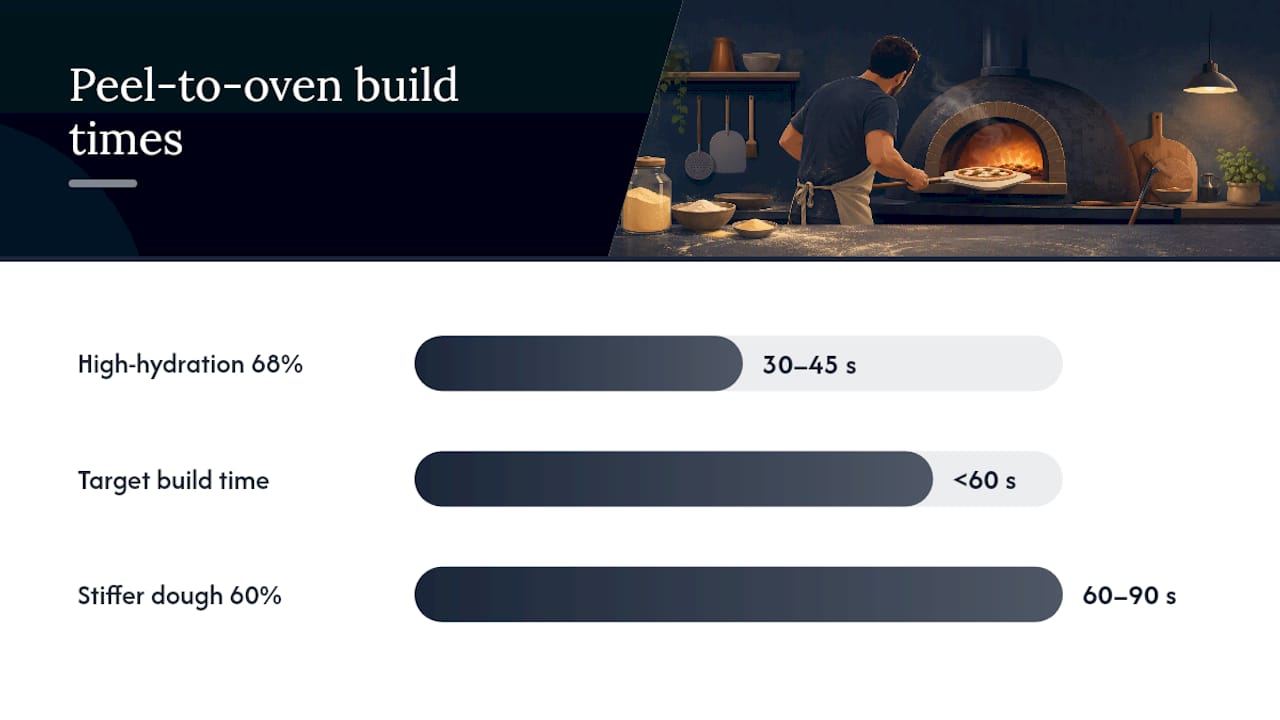
- Move fast. Aim for under 60 seconds from dough-on-peel to sauce, cheese, and toppings done. High-hydration dough (around 68%) needs closer to 30 to 45 seconds; a stiffer 60% dough gives you a little more room, roughly 60 to 90 seconds.
- Run the shimmy-test. Grip the peel handle and give it a short, sharp back-and-forth jerk. If the whole pie slides an inch, you’re clear. If one spot stays put, lift that edge slightly and dust more semolina underneath before trying again.
- Launch decisively. Once the pie moves freely, get it into the oven immediately. Hesitating gives moisture more time to work against you.
Keep sauce a good half inch from the rim and pat down any wet toppings like fresh mozzarella or marinated vegetables with a paper towel first. Overloading a pie also slows down your build time, which defeats the whole point of moving fast.
Pro Tip: Treat the semolina layer as a bearing, not a barrier. You’re not trying to bury the peel in flour, you’re trying to beat the clock before moisture turns that dusting into paste.
Wood vs Metal: Which Pizza Peel Actually Stops Sticking?
Peel choice changes how forgiving your window is. Neither material solves sticking on its own, but each one suits a different job in the process.
- Wood peels are the better choice for building. They absorb a little surface moisture, which buys you a few extra seconds, and their texture helps grip dough during shaping without it sliding around.
- Metal and perforated peels launch cleaner. Excess semolina falls through the holes rather than clumping under the dough, which means less residue riding along with the pie into the oven.
- The hybrid workflow many home cooks land on: shape and top the pizza on a wooden peel, then slide it onto a perforated or metal peel just before launch.
- Surface condition matters regardless of material. A peel with leftover flour paste or char residue creates drag no matter how well you dust it fresh.
What to Do When Your Pizza Sticks to the Peel
A stuck pie isn’t a lost pie. Work quickly and you can usually save it before anything ends up on the floor of your oven.
- Break the seal first. Slide a bench scraper or thin palette knife under the stuck section at a low angle, then puff a pinch of semolina into the gap you create. Run the shimmy-test again.
- If a large area is bonded, stop fighting it. Lift the whole pie with the scraper and transfer it onto a freshly dressed peel rather than continuing to chip away at one spot.
- Use parchment as a backup launch method when the dough is genuinely welded down. Slide parchment underneath, then launch pizza and paper together. Pull the parchment out partway through the bake once the crust has set, since leaving it in at high heat for the full bake can scorch it.
- If the pie folds mid-launch, don’t panic. You have about 15 seconds before the crust sets. Use tongs to reopen the fold and reposition any displaced toppings while the dough is still pliable.
Fix the Dough, Not Just the Peel
A lot of sticking problems trace back to the dough itself, not your technique on launch day. Under-developed gluten leaves dough loose and tacky, which means it clings to every surface it touches instead of holding its shape. A few stretch-and-folds during bulk fermentation, or a short 20-minute rest before shaping, tightens things up noticeably.
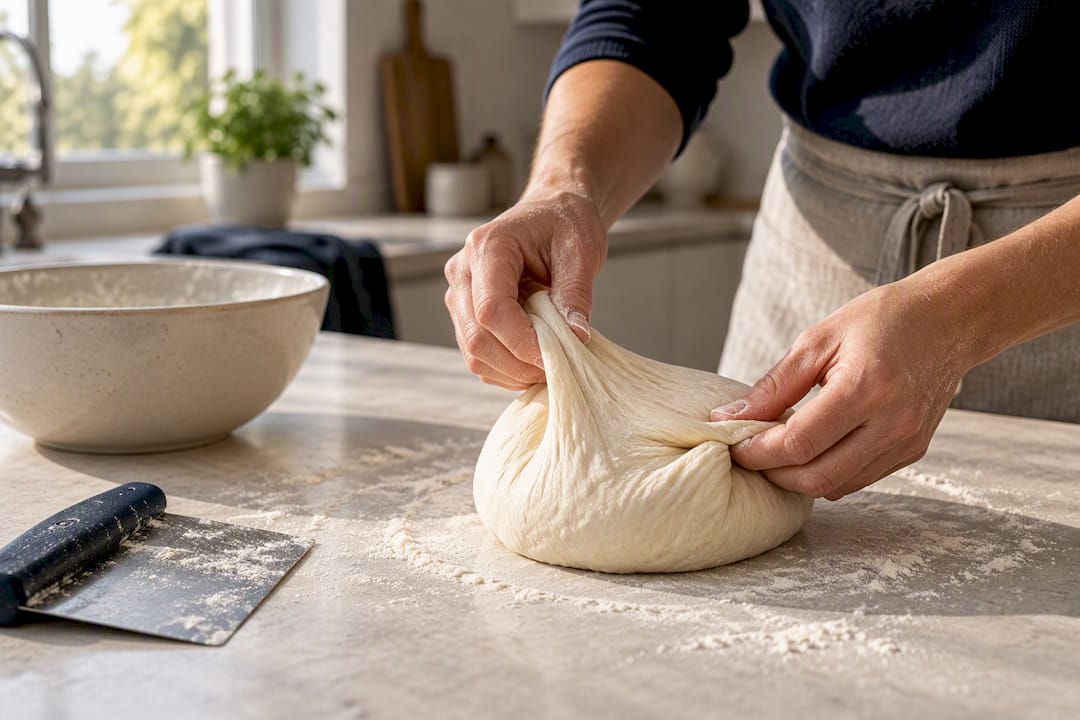
Hydration is the other lever. Wetter dough tastes and chews differently, but it also shortens your safe on-peel window. If you’re finding 68% hydration dough stubborn to work with at home, dropping to 62 or 63% buys real time without sacrificing much texture.
A few handling habits that help across the board:
- Keep dough balls cold until shortly before you shape them. Fridge-cold dough is noticeably less sticky than dough that’s been sitting at room temperature.
- Shape on a lightly floured bench, not a heavily floured one. Too much bench flour works its way into the dough and toughens the crust.
- For high-hydration dough, wet your hands instead of flouring them. Water won’t build up inside the dough the way flour will.
Getting the fermentation and hydration balance right from the start solves more sticking problems than any amount of extra semolina ever will, and understanding how gluten develops during fermentation helps explain why a longer, slower rise tends to produce dough that handles more predictably.
The Small Tools That Keep Sticking Away for Good
A handful of cheap tools cut down stuck launches more than any single trick. Keep a bench scraper by the oven, a small sifter for evenly distributing semolina, a dry pastry brush for clearing crumbs off the peel between bakes, and a spare thin metal peel for emergency transfers.
- Dry-scrape wood peels after every bake rather than washing them, since water swells the wood grain and makes it grippier over time.
- Wipe metal peels dry immediately and never oil the working surface. Oil increases friction at high oven temperatures and can smoke or turn bitter instead of helping release.
- Scrape off burnt flour buildup with a bench scraper before it hardens into a rough patch that catches dough on every launch.
Pro Tip: A peel covered in old, caramelized flour drags worse than a bare peel with no dusting at all. When in doubt, scrape it clean and start fresh.
A Practice Bake Checklist Worth Pinning Up
Get the oven preheated, dress the peel with coarse semolina, build in under 60 seconds, shimmy-test, launch. That five-step sequence is the whole game, and running it the same way every single time is what actually eliminates stuck launches, not any one clever trick.
If you’re still fighting sticking after a few bakes, change one variable at a time. Try dropping hydration by a few percent, or switch from plain flour to a proper semolina dusting and see how much extra time it buys you. If a pie ever does grab, our rescue guide for sticky dough walks through the same bench scraper and parchment methods covered above in more depth. Track your build time with a phone timer for a week. Most home cooks are shocked at how much slower they actually are than they assumed.
— Michael
Skip the Stress With Ready-Made Dough and Bases
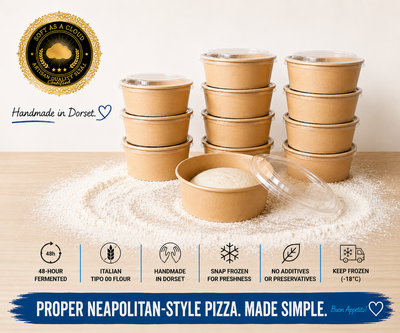
An alternative to fighting sticky dough from scratch is using 48-hour fermented dough balls that come individually proofed and chilled, so you can start your build with dough that’s already tight and easy to handle instead of loose and tacky. Less resistance on the bench means less time on the peel, and less time on the peel means fewer stuck launches.

If speed is your priority, our pre-cooked Neapolitan bases skip the stretching and shaping stage entirely. Top them straight from the fridge and get them onto the peel and into the oven in one motion. If you’d rather stretch your own dough but want a head start on texture and fermentation, our chilled dough balls are proofed to the point where shaping takes minutes, not a wrestling match. Round out the pie with a topping from our curated toppings collection, and check out the full range at Doughdorks to plan your next pizza night.
Sources
- Pizza stuck to the peel? The real fix
- Thepizzaplanet
- How to Stop Pizza from Sticking to the Peel: 10 Proven Tips from the Pros | Hospitality Connect
FAQ
Why Isn’t My Pizza Sliding Off the Peel?
Your pizza probably sat on the peel too long, letting moisture soak into the flour dusting underneath until it turned into paste. Rebuild the habit of dressing with coarse semolina, working fast, and running a shimmy-test before you ever try to launch.
How Do I Get Pizza on and off a Peel?
Getting it on is about building directly on a semolina-dusted peel and moving quickly, ideally under 60 seconds for most home hydration levels. Getting it off cleanly relies on that same speed plus a confident, decisive push at launch rather than a slow, hesitant slide.
Should I Grease My Pizza Peel?
No. Oil increases friction at high oven temperatures and can smoke or leave a bitter taste instead of helping the dough release. Stick with a dry peel dusted in coarse semolina or a semolina and flour blend.
My Pizza Dough Is Sticky. What Can I Do to Fix It?
Sticky dough usually points to under-developed gluten or dough that’s too warm to handle well. A few stretch-and-folds during fermentation, a short bench rest, and working with fridge-cold dough all help, and wetting your hands instead of flouring them works better for high-hydration recipes.
What Grit of Semolina Works Best on a Peel?
Coarse semolina works better than fine semolina or plain flour because larger particles roll beneath the dough like tiny ball bearings instead of packing down into paste. A thin, even layer beats a thick pile every time.
Recommended
- Semolina for Pizza: Why Use It & How Much?
- Rescue Sticky Pizza Dough in 15–30 Minutes Without Adding Flour
- Best Pizza Peel UK: Top Picks for Home Cooks in 2026
- Keep Oven Spring When Hand Stretching Pizza Dough for Home Cooks
READY-MADE • FROZEN • UK DELIVERY
Skip the mixing. Keep proper dough in your freezer.
48-hour fermented, individually proofed in their own pot and delivered frozen across the UK. Defrost, stretch, top and bake.
-
 48-Hour Neapolitan-Style Pizza Dough Balls – Box of 12
£22.88
-
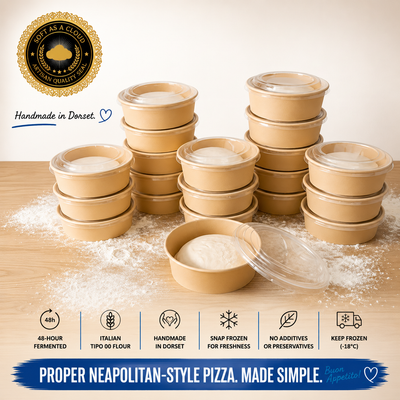 48-Hour Neapolitan-Style Pizza Dough Balls – Box of 20
£32.30
-
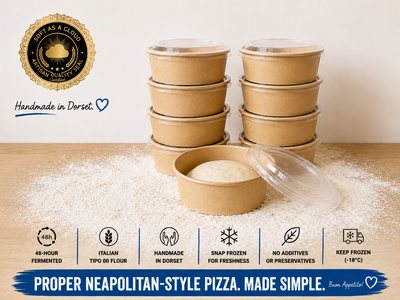 48-Hour Neapolitan-Style Pizza Dough Balls – Box of 8
£18
Handmade in Dorset • Free UK delivery over £50 • Free proofing pot with every dough ball