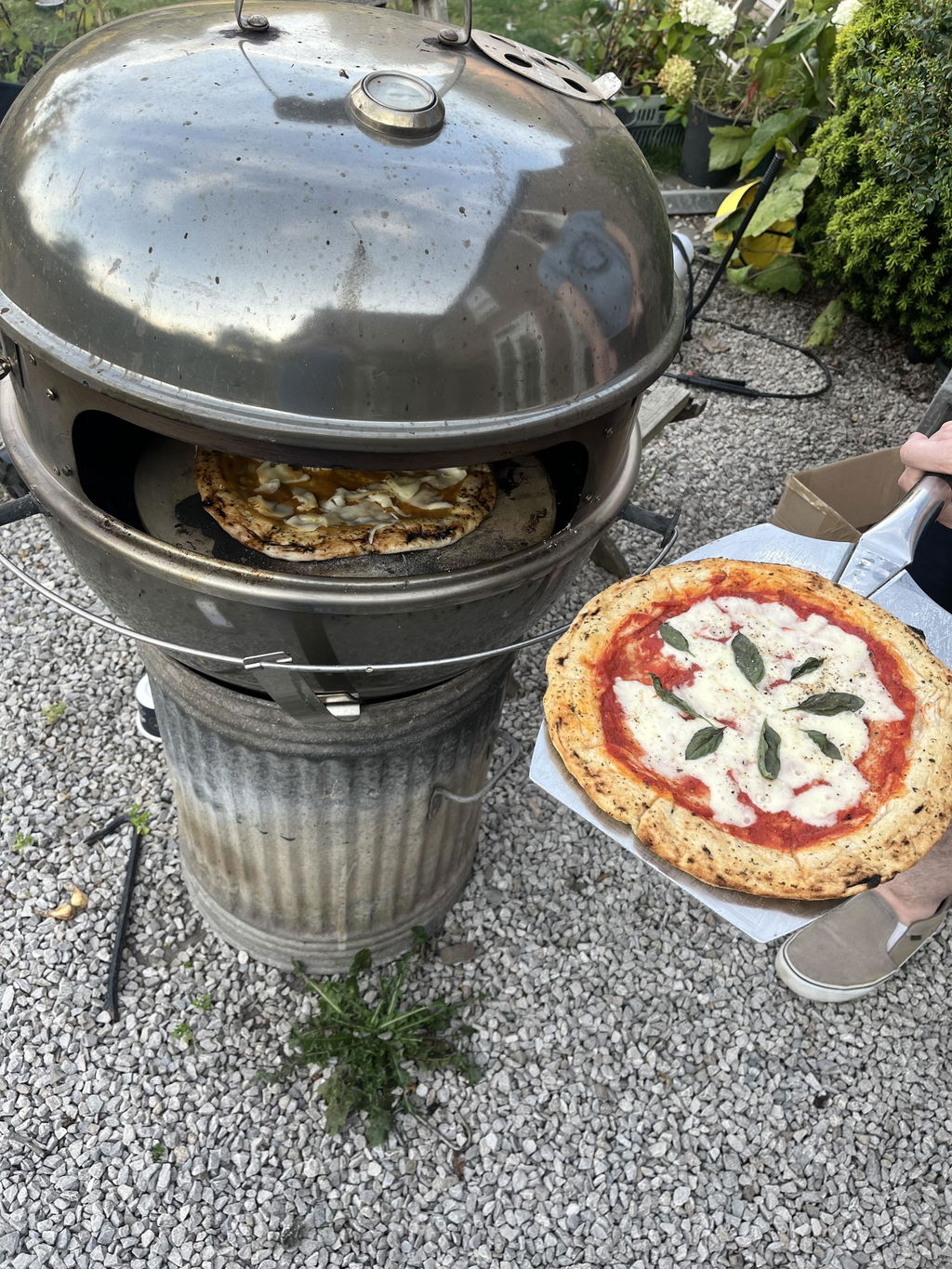
Yes, Hot Honey Belongs on Pizza (If You Follow One Rule)
Discover why hot honey enhances pizza with its sweet and spicy contrast. Learn the crucial rule for perfecting this delicious topping.
Hot honey on pizza works, and it’s not close. The sweetness cuts through salty, fatty toppings while the chili heat lingers on the back of your tongue long after the slice is gone. The one rule that decides whether it’s great or a sticky, scorched mess: always drizzle hot honey after the pizza comes out of the oven, never before or during the bake, because the sugars in honey start to caramelize hard once temperatures climb past the low 300s Fahrenheit and a home oven running at 500°F or hotter will turn that drizzle bitter and burnt in minutes.
Where it earns its place on the pie:
- Pepperoni, soppressata, and other cured meats, where the fat carries the heat
- Bacon or crispy prosciutto, where a little sweetness balances the smoke and salt
- Ricotta, mozzarella, or burrata, where the cream mellows the chili bite
Skip it, or go very light, on a classic Margherita. That pizza’s whole point is the clean interplay of tomato, basil, and cheese, and a heavy hot honey drizzle just steamrolls it.
Key Takeaways
Hot honey improves most savory pizzas when drizzled after baking, using one to two tablespoons per 12-inch pie and a chili level matched to the toppings.
| Point | Details |
|---|---|
| Drizzle after baking, always | Honey caramelizes and turns bitter above roughly 320°F, so add it once the pizza is out of the oven. |
| Start with one tablespoon | Use about one tablespoon of hot honey per 12-inch pizza, then offer extra on the side. |
| Match heat to toppings | Pepperoni and soppressata handle medium heat; delicate cheeses and Margherita pizzas need mild or none. |
| Store at room temperature | Keep hot honey sealed in a jar at room temperature; a warm water bath fixes crystallization. |
| Build a better crust first | Dough Dorks’ 48-hour fermented dough gives hot honey a crust sturdy enough to actually showcase it. |
Table of Contents
- What Hot Honey Actually Is (and What It Should Taste Like)
- Why Hot Honey Works With Pizza, Explained Simply
- How to Make Hot Honey at Home in Three Ways
- When and How to Drizzle Hot Honey on Your Pizza
- How to Store Hot Honey Without Losing Quality
- Tested Ratios: Mild, Medium, and Hot Versions
- Balancing Hot Honey With Cheese, Sauce, and Other Condiments
- Trying Different Sweeteners and Chiles for Your Own Blend
- Where Dough Dorks Fits Into Your Hot Honey Pizza Night
- Frequently Asked Questions
- Sources
What Hot Honey Actually Is (and What It Should Taste Like)
Hot honey is honey infused with chili heat, usually dried chili flakes, fresh chiles, or a hot sauce, sometimes finished with a splash of vinegar or citrus to keep it from tasting one-note sweet. The trend has real roots: it took off after a Brooklyn pizzeria started drizzling chili-infused honey over pepperoni pies around 2010, and it’s since spread from independent pizzerias to grocery shelves everywhere.
A well-made batch should hit three notes in sequence: floral sweetness first, then a building warmth, then whatever character the chili brings, whether that’s smoky, fruity, or grassy. Commercial bottles often lean sweeter and more consistent batch to batch, while homemade versions tend to have a sharper, more vinegar-forward edge because you control the finish yourself.
Common chili inputs, each with a different personality:
- Árbol or Aleppo flakes, for an earthy, straightforward heat
- Calabrian chiles, for a savory, well-rounded warmth
- Habanero, for intense, fruity heat that hits fast
- Standard red pepper flakes, for the easiest, most neutral base
Why Hot Honey Works With Pizza, Explained Simply
Hot honey amplifies pizza because it adds two things a savory, fatty slice is usually missing: sweetness and a slow-building heat that plays off salt and grease. Sugar rounds off the sharp edges of tomato sauce and salty cured meats, while capsaicin, the compound that makes chiles hot, binds to fat and lingers there. That’s why a drizzle over a pepperoni slice feels like the heat keeps building bite after bite instead of fading. The honey’s sticky texture also adds a textural contrast against a crisp, blistered crust that a thinner sauce could never deliver.
Toppings that benefit most:
- Cured meats like pepperoni, soppressata, or prosciutto, where fat carries the capsaicin
- Rich cheeses like burrata, brie, or goat cheese, where sweetness balances the tang
- Roasted vegetables, especially anything caramelized like squash or brussels sprouts
Use it sparingly, or not at all, on anything already delicate. A plain white pizza or a light seafood pie can get lost under it fast.
Pro Tip: After you drizzle, add a small pinch of flaky sea salt on top. It sharpens the contrast between sweet, hot, and salty in a way that a drizzle alone doesn’t.
How to Make Hot Honey at Home in Three Ways
Three methods cover almost every situation, and each takes somewhere between five minutes and half an hour depending on how much flavor depth you want.
Method 1: Chili flake infusion (the standard approach, about 20 to 35 minutes total)
- Warm one cup of honey gently in a small saucepan over low heat, never letting it boil.
- Stir in one to three teaspoons of red pepper flakes, árbol, or Calabrian chili, depending on desired heat.
- Warm for about five minutes, then remove from heat and let it steep for 15 to 30 minutes.
- Strain through a fine mesh strainer into a heatproof jar or squeeze bottle.
- This yields roughly one cup and keeps for months at room temperature.
Method 2: Fresh chile infusion (Fresno or habanero, brighter and fruitier)
Slice one or two fresh chiles thin, warm them in the honey the same way as above, but keep the heat lower and the steep time shorter since fresh chiles release flavor faster than dried ones. Strain well. This version tastes noticeably fresher and more vegetal than a flake-based batch.
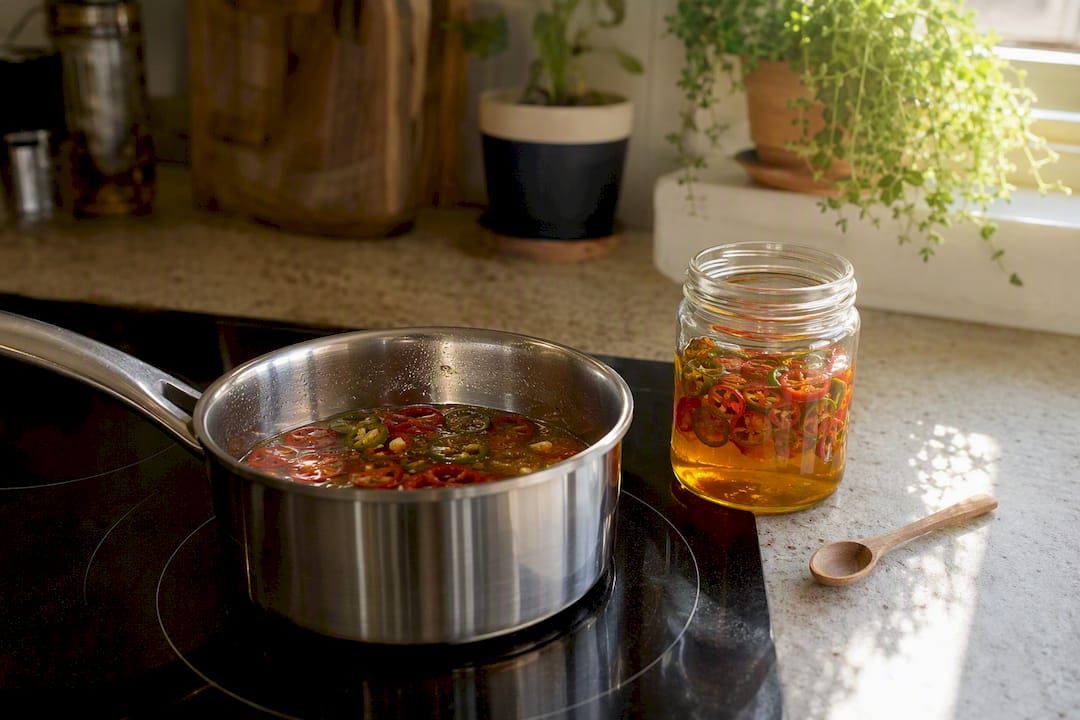
Method 3: Quick hot sauce mix (ready in under five minutes)
Stir a few teaspoons of a vinegar-based hot sauce into warm honey, using a microwave or a hot water bath to loosen it. It won’t have the same layered flavor as a true infusion, but it’s the fastest route to a usable batch when you need one tonight.
Equipment for any method: a small saucepan, a heatproof jar, a fine mesh strainer, and ideally a squeeze bottle for control when serving.
Pro Tip: A small splash of apple cider vinegar or lemon juice at the end cuts the cloying sweetness and makes the honey taste sharper, not just hotter. If you’re building heat into the dough itself rather than a finishing drizzle, a small amount mixed in at roughly 3% of the flour’s weight helps browning without making the crust taste sweet, since yeast consumes most of it during fermentation.
When and How to Drizzle Hot Honey on Your Pizza
Drizzle only after the pizza comes out of the oven, while it’s still hot enough to slightly loosen the honey but not hot enough to cook it. A squeeze bottle gives you the most control for a thin, even spiral, though a spoon works fine if you don’t mind a looser pattern.
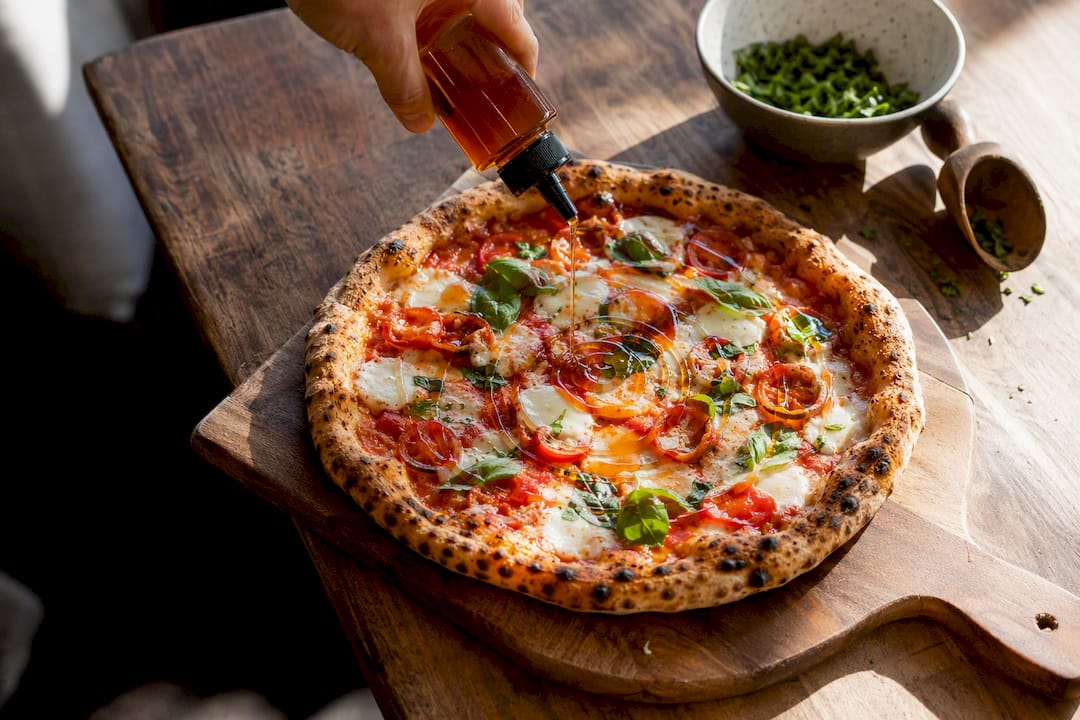
Start with about one tablespoon for a 12-inch pizza, then taste before adding more. For a larger pie or a group that likes heat, two tablespoons is a reasonable ceiling before it starts overwhelming the other toppings.
Quick dos and don’ts:
- Do drizzle in a thin spiral rather than pooling it in the center.
- Do put extra honey in a small bowl on the side for people who want more.
- Don’t bake honey directly on the pizza except for a few tiny drops right at the crust edge, where the temperature is lower.
- Don’t drown the pie. Heavy-handed drizzling turns a balanced slice into a syrupy one.
For pairing intensity, pepperoni and soppressata handle mild to medium heat well, ricotta and brie prefer mild, and roasted vegetables or brussels sprouts can take medium heat comfortably.
Pro Tip: If you’re baking on a pizza stone or steel, wipe up any honey that drips onto it right away. Burnt sugar on a hot stone smokes and is a pain to scrub off once it hardens.
How to Store Hot Honey Without Losing Quality
Hot honey is shelf-stable, so store it in a sealed jar at room temperature rather than in the fridge. Commercial bottles hold up well unopened for a long stretch, and homemade batches stay good for months as long as moisture stays out of the jar.
If it crystallizes, and it will eventually, set the jar in a bowl of warm water for a few minutes to bring it back to a pourable liquid. Skip the refrigerator entirely. Cold temperatures actually speed up crystallization and can cause the oils from any chili solids to separate out.
A short safety checklist worth following:
- Always use a clean, dry spoon. Any water that gets into the jar invites mold growth.
- Watch for an off, sour smell or visible mold on the surface, both rare but a sign to toss the batch.
- Keep the lid tightly sealed between uses to limit moisture exposure.
Tested Ratios: Mild, Medium, and Hot Versions
Three presets cover almost every taste preference, and small tweaks from there let you dial things in exactly.
- Mild: one teaspoon of red pepper flakes per cup of honey, or a light dash of hot sauce if you’re using the quick method. Good for guests who want a hint of warmth, not a challenge.
- Medium: two to three teaspoons of flakes, or one small fresh Fresno chile per cup, gives a noticeable but manageable heat. This is the version most pizzerias serve by default.
- Hot: a whole habanero plus an extra half teaspoon of cayenne pushes into serious heat territory, with fruitier, more intense notes than milder chiles deliver.
Mild and medium suit most cured-meat and cheese pizzas. Save the hot version for pizzas loaded with fat, like a four-cheese or a heavy pepperoni pie, since fat mellows capsaicin just enough to keep it enjoyable rather than punishing.
Pro Tip: Start lighter than you think you need and serve extra honey on the side. Heat builds as you eat, especially on fatty toppings, so a drizzle that seems mild on the first bite can feel much stronger by the fourth.
Balancing Hot Honey With Cheese, Sauce, and Other Condiments
Hot honey doesn’t operate alone on a pizza. It’s competing with tomato sauce, cheese, and whatever else is already on there, so the balance matters more than the honey itself.
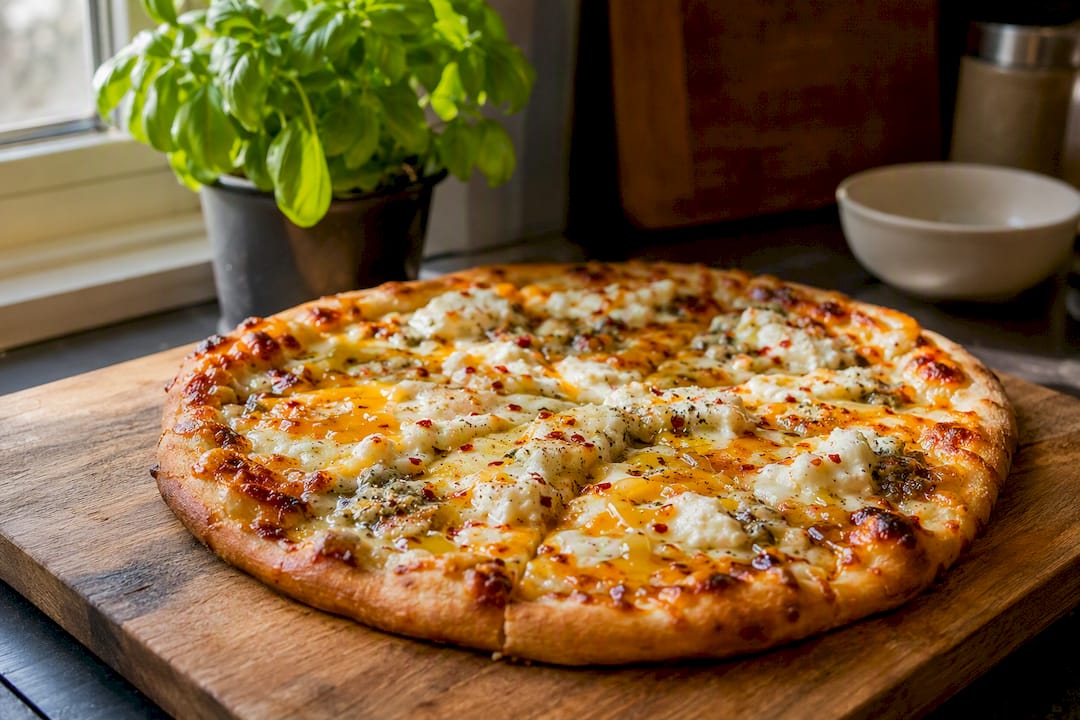
With a tangy tomato sauce, keep the honey on the lighter side since two acidic, bright flavors stacked together can turn sharp rather than balanced. A creamier base, like a white pizza with ricotta or mascarpone, can handle a slightly heavier hand because the fat and dairy absorb the sweetness and heat without either one dominating.
Cheese choice matters just as much. Fresh mozzarella and burrata are mild enough to let hot honey shine through clearly. Sharper cheeses like aged provolone or gorgonzola already bring their own intensity, so pile on the honey too aggressively and the whole pizza turns muddled instead of layered. A good cheese pairing guide is worth keeping handy if you’re experimenting with new combinations.
If you’re already using a spicy topping, like Calabrian chili paste or a spicy sausage such as a Neapolitan salsiccia, scale the honey back. Two heat sources stacked on the same pizza can push past the point most people find pleasant, and the sweetness gets buried under all that chili.
Trying Different Sweeteners and Chiles for Your Own Blend
Honey isn’t the only base worth trying, and the chili you pick changes the whole personality of the drizzle.
Agave nectar makes a decent substitute if you want a slightly thinner, less floral sweetness, though it lacks honey’s viscosity, so it runs off the pizza faster instead of clinging to the toppings. Maple syrup is another option, but its distinct flavor competes with pizza more than it complements it, so use it only if you actually want that maple note front and center.
On the chili side, swapping peppers is the easiest way to reinvent a hot honey recipe without changing the technique at all. Calabrian chiles bring a savory, balanced warmth that works especially well with cured meats. Habaneros bring fruitier, more aggressive heat that suits richer, fattier pizzas. Dried árbol or Aleppo flakes sit in between, giving an earthy warmth that doesn’t overpower a milder cheese blend. Restaurant menus have leaned into this variety for over a decade, which is part of why hot honey pizza recipes now show up with such different flavor profiles depending on where you order.
If you’re not sure where to start, buy small bottles of two or three chili types and infuse a quarter cup of honey with each. Tasting them side by side tells you more about your own preference than any recipe can.
A Home Cook’s Take on Hot Honey Night
My go-to is simple: pepperoni pizza baked hot and fast on a stone, then a spiral of medium-heat hot honey the second it comes off. I’ve run this same test dozens of times using ready-made Neapolitan dough, and the crust’s char matters almost as much as the honey itself. A soft, undercooked base just can’t hold up to that much sweetness and heat.
Where Dough Dorks Fits Into Your Hot Honey Pizza Night
If you want the kind of blistered, chewy crust that makes hot honey actually sing, the crust has to hold its own first. A soggy or underbaked base gets soggier once syrup hits it, while a properly fermented crust gets better. Dough Dorks sells 48-hour fermented Neapolitan dough made with Italian 00 flour, which gives you the char and chew of a pizzeria crust without needing to manage your own multi-day fermentation schedule at home.

If shaping dough isn’t your thing, or you’re just testing a new hot honey batch and want to skip straight to the fun part, the pre-cooked Neapolitan bases solve that problem in a couple of minutes in a hot oven. Either route gets you a crust worth drizzling. And if you’d rather make your own dough from scratch, that’s a perfectly good path too. Head to the dough collection to pick the base that fits your next pizza night.
Frequently Asked Questions
Does hot honey actually taste good on pizza, or is it just a trend?
It genuinely works. The sweetness and slow-building chili heat balance salty, fatty toppings like pepperoni and rich cheeses, which is part of why the combination spread from a single Brooklyn pizzeria into a nationwide menu staple.
Should hot honey go on before or after baking?
Always after. Baking honey at pizza-oven temperatures caramelizes its sugars and turns the flavor bitter instead of floral, so the drizzle goes on the moment the pizza leaves the oven.
How much hot honey should I use per pizza?
Start with about one tablespoon for a 12-inch pizza, then taste and add more if needed. It’s easier to add extra on the side than to fix an oversauced slice.
Can I make hot honey at home without special equipment?
Yes. A saucepan, a jar, and a fine mesh strainer are all you need. A basic chili flake infusion takes about 20 to 35 minutes from start to finish, including steeping time.
Does hot honey need to be refrigerated?
No, keep it at room temperature in a sealed jar. Refrigeration actually speeds up crystallization rather than preventing it.
What pizza toppings pair best with hot honey?
Cured meats like pepperoni and soppressata, rich cheeses like burrata or brie, and roasted vegetables all pair well. Delicate pizzas like a plain Margherita generally do better with a very light touch or none at all.
Sources
- Hot Honey Pizza: The Sweet-Heat Pie Everyone’s Obsessed With - That Pizza Kitchen
- Hot Honey Pizza: Mike’s, Bees Knees, and DIY Compared | JayArr Pizza
- Hot Honey Pizza: Recipe, Dough, and Topping Guide
- Flavor trends: hot honey — Datassential
- Best Hot Honey: We Found the Best Hot Honey to Buy | Sporked
For deeper recipe testing, Dough Dorks’ own pizza-making guide is worth a look too.
Recommended
- Best Cheeses for Pizza: A Home Cook’s Guide
- Apple Pay
- Anchovies on Pizza: What Home Cooks Need to Know
READY-MADE • FROZEN • UK DELIVERY
Skip the mixing. Keep proper dough in your freezer.
48-hour fermented, individually proofed in their own pot and delivered frozen across the UK. Defrost, stretch, top and bake.
-
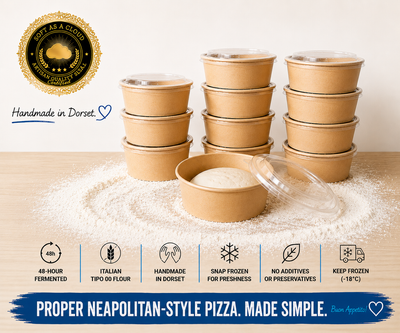 48-Hour Neapolitan-Style Pizza Dough Balls – Box of 12
£22.88
48-Hour Neapolitan-Style Pizza Dough Balls – Box of 12
£22.88
-
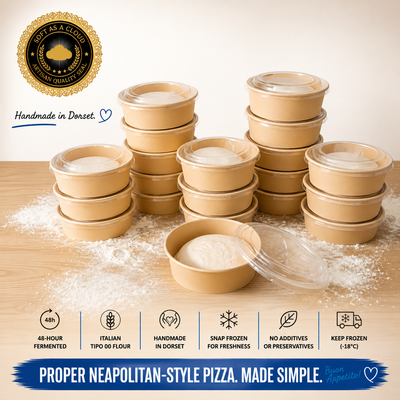 48-Hour Neapolitan-Style Pizza Dough Balls – Box of 20
£32.30
48-Hour Neapolitan-Style Pizza Dough Balls – Box of 20
£32.30
-
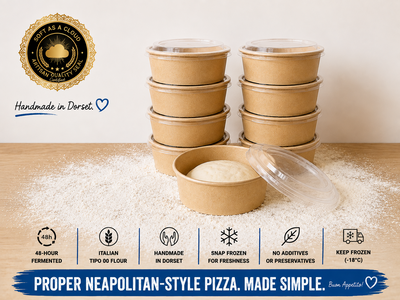 48-Hour Neapolitan-Style Pizza Dough Balls – Box of 8
£18
48-Hour Neapolitan-Style Pizza Dough Balls – Box of 8
£18
Handmade in Dorset • Free UK delivery over £50 • Free proofing pot with every dough ball